


Your privacy at Phenikaa Hue
Phenikaa Hue uses necessary mechanisms to operate this website. Optional cookies and third-party content load only with your permission. You can reject them or change your choices through Privacy settings in the footer.

Main keyword: Cristobalite
Secondary keywords: Phenikaa Hue, artificial stone, cracked products
In the modern building materials industry, artificial stone is gradually dominating the market thanks to its high aesthetics, superior durability, and versatile applications. Among its components, Cristobalite plays a key role in enhancing whiteness, gloss, and hardness of the product. However, many manufacturers face the problem of cracked products during artificial stone production, which severely affects quality and marketability. So, what causes this, and how can it be fixed?
Phenomenon:Small cracks appear on the surface of stone slabs, usually right after curing in the oven, after the cooling system, or following the grinding process.

Small cracks on stone slab surface. Photo: Internet
The causes include:
Material-related:
From the main raw material Cristobalite
Strongly reactive resin
Excessive amount of additives
Equipment and process-related:
Dirty, loose, or damaged vibrating press cloth
Overly high or uneven curing temperature
Grinding while the slab is still warped or using inappropriate grinding heads
Premature grinding of semi-finished stone when resin has not fully hardened

Many factors contribute to product cracking..
This article will focus on analyzing causes related to Cristobalite and Resin — the core factors determining the input quality of artificial stone products.
Cristobalite is the main inorganic filler used in artificial stone. The proportion of Cristobalite is usually very high (particles typically account for about 30-40%, powder 25-30% in the mixture), so its quality and characteristics directly affect the microstructure and mechanical properties of the final product.
Inappropriate particle size distribution / uneven particle sizesWhen Cristobalite particle sizes are unevenly distributed, the mixture of large and small particles makes resin distribution difficult to control. This leads to resin-rich or resin-deficient areas, creating weak structural points that easily crack under stress or temperature changes.
Effect on resin distribution The smaller the particle size, the larger the specific surface area, meaning more resin is needed to coat and bond the particles. Without precise calculation of resin amounts matching the particle size distribution, problems arise:
Resin shortage → weak bonding → cracking
Excess resin → shrinkage, air bubbles → surface cracking
Using Cristobalite with uneven or unsuitable particle size distribution for the current resin system directly causes cracking in artificial stone.
Resin acts as the main binder, bonding inorganic particles like Cristobalite into a solid block. However, the resin’s reaction characteristics must match the filler’s properties (here, Cristobalite), especially the curing speed.
Case 1: Resin cures too fast This causes strong heat release and rapid shrinkage during pressing, leading to high internal stress and early cracks during or after vacuum vibrating pressing. This is common when resin polymerizes too aggressively or when heat during vacuum pressing is uncontrolled.
Case 2: Resin cures too slow Prolongs vacuum pressing time, reducing production efficiency. It increases electricity and labor costs and raises contamination risks due to longer mold opening times. Sometimes, it causes material layering if resin stability is poor in the mixture.
Resin must have optimal reaction speed and curing time compatible with Cristobalite’s structure and particle size distribution. Otherwise, products are prone to cracking from internal stress or structural inconsistency.
Cracks not only affect aesthetics but also reduce mechanical strength. In many cases, cracked products fail quality standards, causing economic losses and damaging brand reputation.
To prevent cracking, artificial stone manufacturers should implement comprehensive measures:
Control input materials: Use high-quality Cristobalite like Phenikaa Hue’s products, with whiteness ≥97%, high purity, stable particle sizes, available in powder and granular forms from 0.045 mm to 0.7 mm, suitable for diverse production needs.
Optimize mixing formulas: Consult experienced technical teams to ensure ideal material ratios for each product type.
Upgrade production technology: Apply equipment to control temperature, time, and pressure to ensure uniformity and eliminate residual stress in materials.
Strict training and process control: From raw material intake to final product inspection.
Cristobalite is an important additive that increases whiteness, gloss, and durability of artificial stone. However, to maximize its effect, selecting the right Cristobalite — with high quality and suitable particle size distribution — is key throughout the production process.
At Phenikaa Hue, we provide Cristobalite in powder and granular forms with a wide range of sizes to flexibly meet production needs in various industries:
Granular Cristobalite: 0.1–0.2 mm, 0.1–0.4 mm, 0.1–0.5 mm, 0.2–0.4 mm, 0.3–0.45 mm, 0.3–0.7 mm
Powder Cristobalite: ≤ 0.045 mm (ultrafine)
Each batch is produced using modern German technology, strictly controlling raw material selection and particle size classification. Thanks to this, Phenikaa Hue’s Cristobalite ensures:
High whiteness — enhancing product aesthetics and application versatility
Superior purity — minimizing impurities that affect structure
Stable particle size and good dispersibility — optimizing mixing with resin, improving productivity and product quality

Phenikaa Hue’s Cristobalite products.
We don’t stop at supplying raw materials but also accompany customers with in-depth technical consulting — supporting formula adjustments, minimizing cracking risks, and enhancing overall operational efficiency.
ISO 9001:2015 – Comprehensive quality management
ISO 45001:2018 – Occupational health and safety management
ISO 14001:2015 – Sustainable environmental management
ISO 14067:2018 – Carbon footprint measurement and management
SA 8000 – Commitment to labor safety, worker welfare, and social responsibility
Phenikaa Hue continuously innovates to provide high-quality, environmentally friendly Cristobalite that is safe for production and aligned with global sustainable development trends.

Phenikaa Hue – A reputable provider of Cristobalite raw materials produced with modern technology from the Federal Republic of Germany.
Contact us now for support:Hotline: 0234 6299 888Email: kdvt.pnkh@phenikaa.comWebsite: www.phenikaahue.comFacebook Fanpage: @PhenikaahueLinkedIn: Phenikaa Hue
See also
 Kỹ thuật
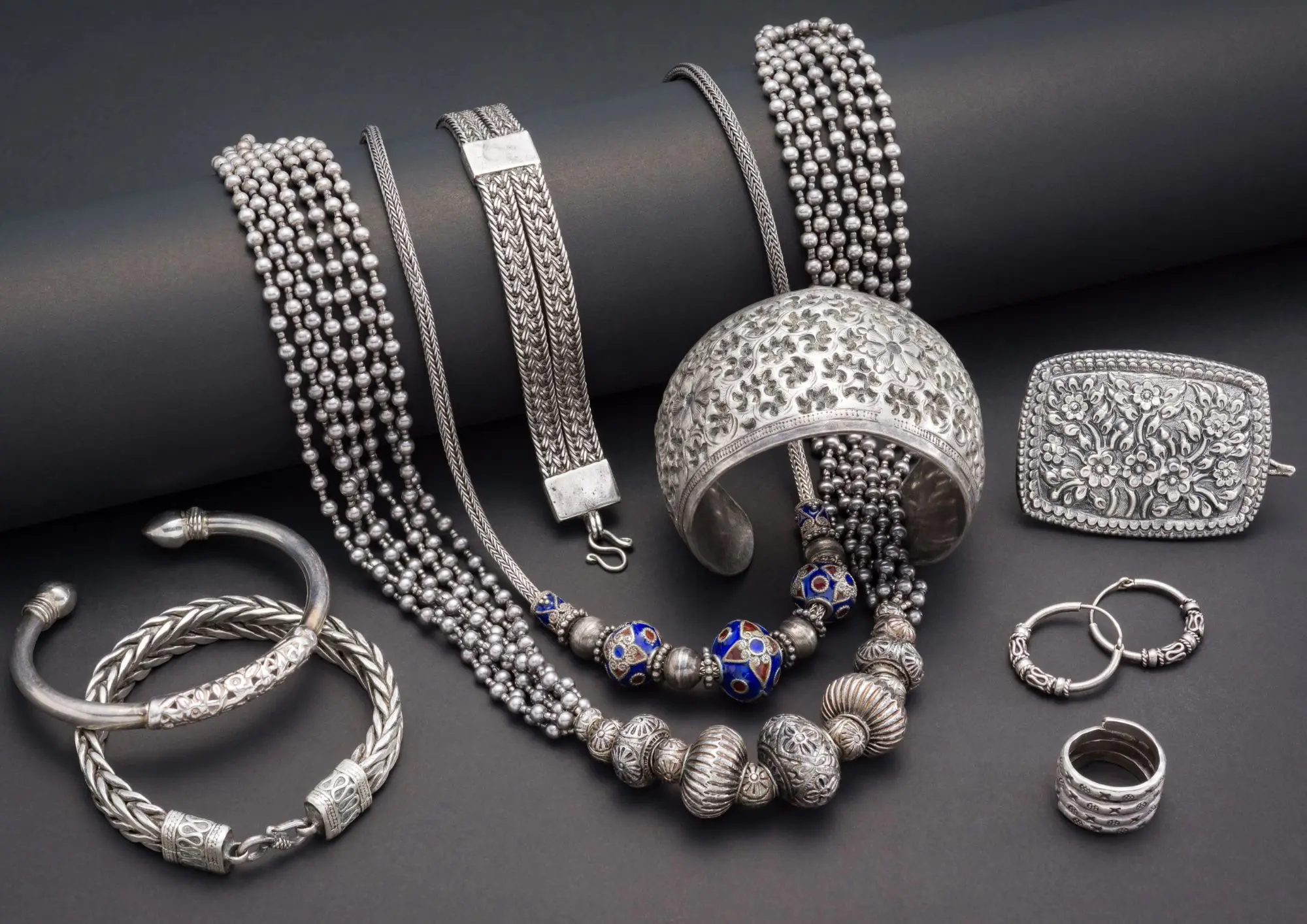
High-purity Phenikaa Hue Cristobalite with optimal thermal expansion, delivering ultra-smooth, sharp jewelry casting molds that meet international standards.
 Kỹ thuật
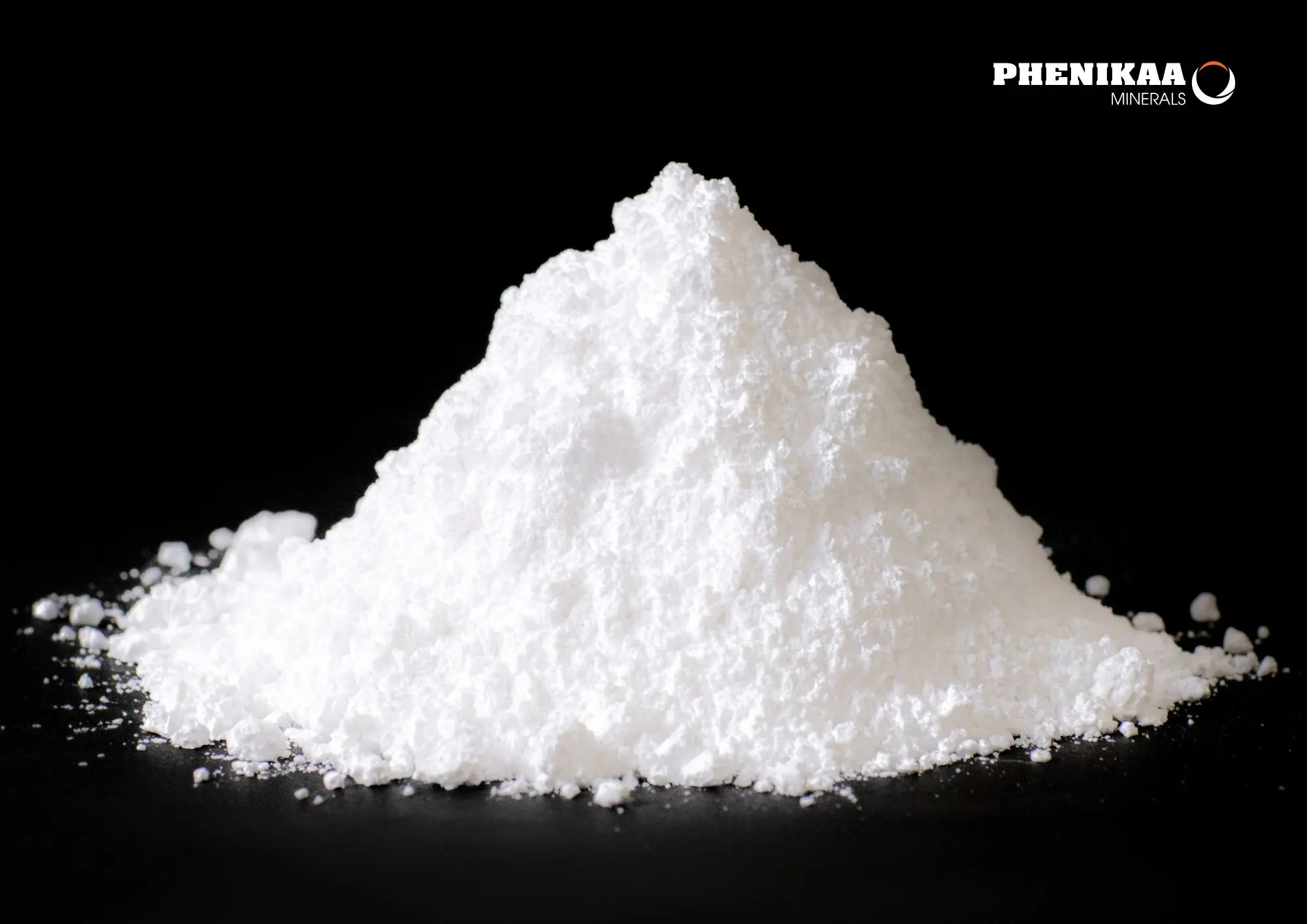
Discover the role of ultrafine grinding in producing cristobalite from silica sand, delivering superior durability and whiteness for paint, plastic and rubber.
 Kỹ thuật
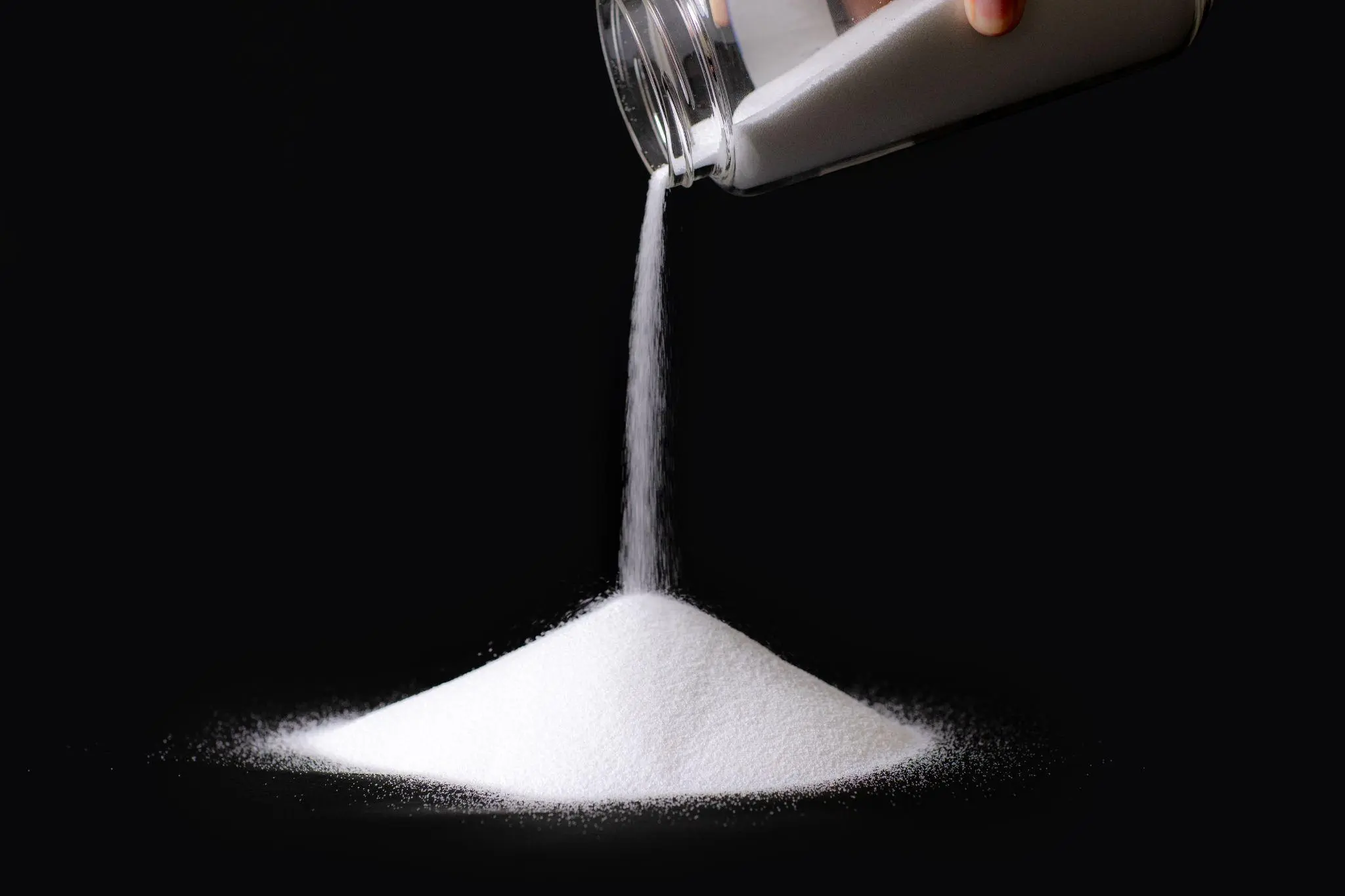
Do you know what Cristobalite is and why it has become an essential material in many modern industries? With exceptional whiteness, impressive durability, and outstanding heat resistance, Cristobalite from Phenikaa Hue is the key to elevating material products to premium quality — from stunning engineered stone to long-lasting protective coatings. Derived from high-purity silica sand, our Cristobalite meets the strictest industry standards, ensuring both performance and aesthetics.