


Your privacy at Phenikaa Hue
Phenikaa Hue uses necessary mechanisms to operate this website. Optional cookies and third-party content load only with your permission. You can reject them or change your choices through Privacy settings in the footer.

Fanpage Facebook: @Phenikaahue
Content Social:
[Vietnamese below]
🌍 The Strait of Hormuz — a vital artery of global maritime transport — is facing the risk of closure, potentially triggering a major shock to supply chains, oil prices, and international shipping.For Phenikaa Huế — an exporter of Cristobalite to Asia, the Middle East, and Europe — this is a critical development that requires close monitoring to ensure shipping plans remain stable. 👉 Read the full article here: Link to article
☎ +84 79 660 8686 (Call/WhatsApp/Zalo)
#PhenikaaHue #cristobalite #quartz #mineral #minerals #hormoz #StraitofHormuz ##supplychain #shipping #logictics
Main keyword: Strait of Hormuz
Secondary keywords: Phenikaa Hue, Logistics
The Strait of Hormuz – one of the world’s most critical oil shipping routes – is facing a serious risk of closure. If this chokepoint is blocked, major oil exports from the Middle East, including Saudi Arabia, Iran, Iraq, Kuwait, and the UAE, would be held back at their source. This would severely disrupt the global energy market, likely triggering a sharp spike in crude oil prices and maritime fuel costs—sending shockwaves through global logistics, transportation, and manufacturing supply chains.
The Strait of Hormuz – the "lifeline" of global maritime transport
Located between Iran and Oman, the Strait of Hormuz is a narrow waterway that plays an exceptionally important role in the global economy. Each day, around 20 million barrels of crude oil—nearly one-fifth of global consumption—pass through this route. Beyond its significance as an energy lifeline, Hormuz also connects vital maritime trade routes between Asia, the Middle East, and Europe, directly impacting global supply chains.

The Strait of Hormuz – a vital artery for global oil transportation.
Although only about 30 nautical miles wide, the Strait of Hormuz is traversed by thousands of oil tankers, LNG carriers, and cargo ships every year. It is a lifeline for oil-exporting countries like Saudi Arabia, the UAE, Kuwait, and Qatar, as well as for major importers such as China, India, Japan, and much of Europe. Any disruption in this narrow passage could trigger a global energy and shipping crisis.
Disruption of oil supplyThe Strait of Hormuz is one of the most critical oil shipping routes in the world, with nearly 20 million barrels of crude oil—around one-fifth of global daily consumption—passing through it each day. If this route is blocked, the global energy flow would be interrupted almost immediately. Crude oil prices would likely surge, driving up fuel costs for shipping. As a result, the global maritime industry—which heavily depends on oil—would face immense financial pressure. All types of vessels, from tankers to container ships and bulk carriers, would be affected, forcing shipping and trade companies to brace for soaring fuel prices and unpredictable fluctuations.
Disruption of global shipping routes
The closure of the Strait of Hormuz is not just an energy issue—it would disrupt hundreds of key maritime routes linking Europe, the Middle East, and Asia. Routes that normally pass through Hormuz would have to detour around the Cape of Good Hope in South Africa, adding 1–2 weeks or more to shipping times.

Maritime shipping would be significantly affected if the Strait of Hormuz were to shut down.
Major transshipment ports in the region—such as Jebel Ali (UAE), Salalah (Oman), and even Singapore—would quickly become overwhelmed, triggering a domino effect that disrupts global shipping schedules. Such interruptions could lead to missed orders, delayed deliveries, and reputational damage for many businesses.
Global supply chains in turmoilIf the Strait of Hormuz is blocked, international supply chains will experience cascading disruptions. Container shipping rates, vessel insurance premiums, and various surcharges (for war risks, fuel, port congestion, etc.) could surge. Not only large corporations, but also small and medium-sized enterprises would be caught in this spiraling cost crisis. In addition, empty container shortages, shipment delays, and scheduling chaos would push already fragile global supply chains to the brink. Without timely solutions, companies could face lost customers, canceled contracts, and even financial collapse.
If the Strait of Hormuz is blocked, the energy market would feel the first and most immediate shock. Crude oil prices are projected to surpass $100–120 per barrel (source: 24h.com.vn), causing a significant rise in marine fuel costs. As a result, freight rates for container ships, bulk carriers, and chemical tankers could surge by 30–70%, depending on the route.

Sharp rise in oil prices
A renewed imbalance between container supply and demand is expected. Key Asia–Europe shipping routes, which account for a large share of global trade, will face severe disruptions as vessels are forced to detour around the Strait of Hormuz. Consequences include:
Extended delivery times, delaying production at factories in Asia and Europe.
Shortages of empty containers at major export hubs such as China, Vietnam, and India.
Higher warehousing costs at overburdened transshipment ports like Singapore, Klang and Colombo.
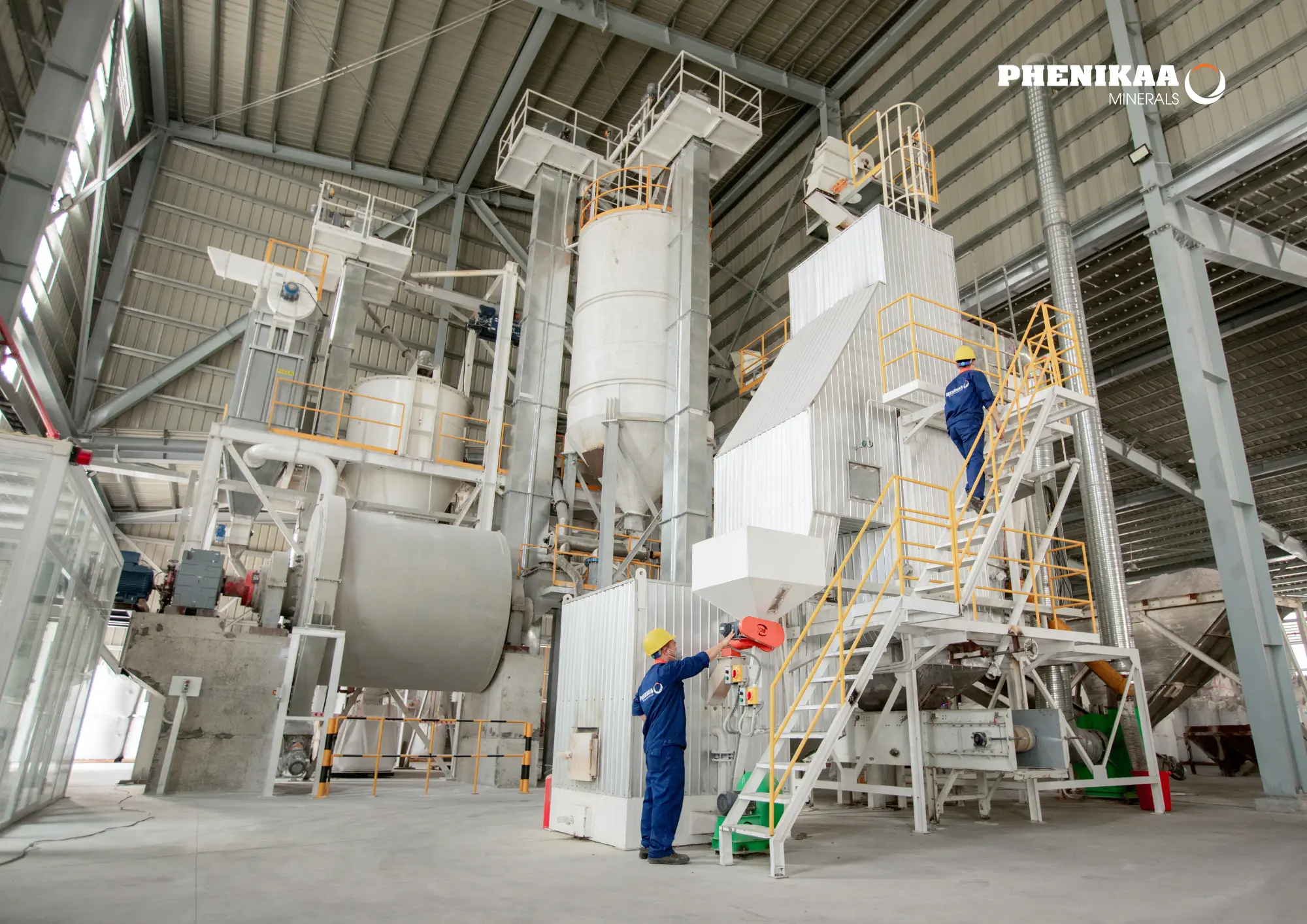
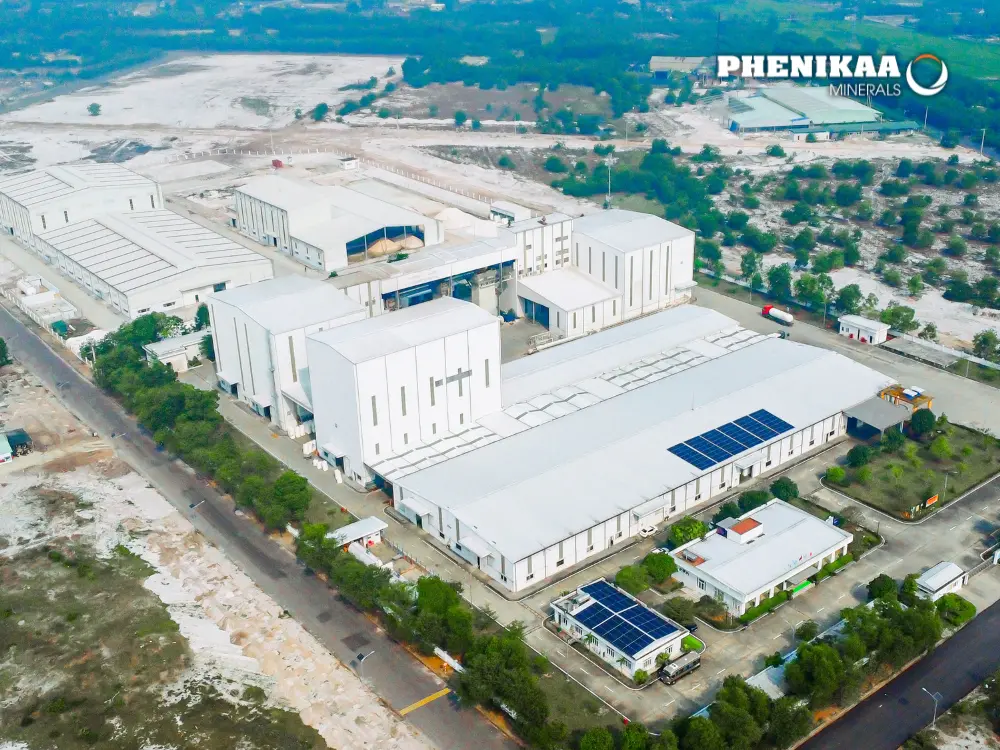
Phenikaa Hue is currently a manufacturer and exporter of Cristobalite in both granular and powder forms—an essential raw material used in industries such as engineered stone, coatings, plastics, and construction materials. Our products are trusted by partners across Asia, the Middle East and Europe.

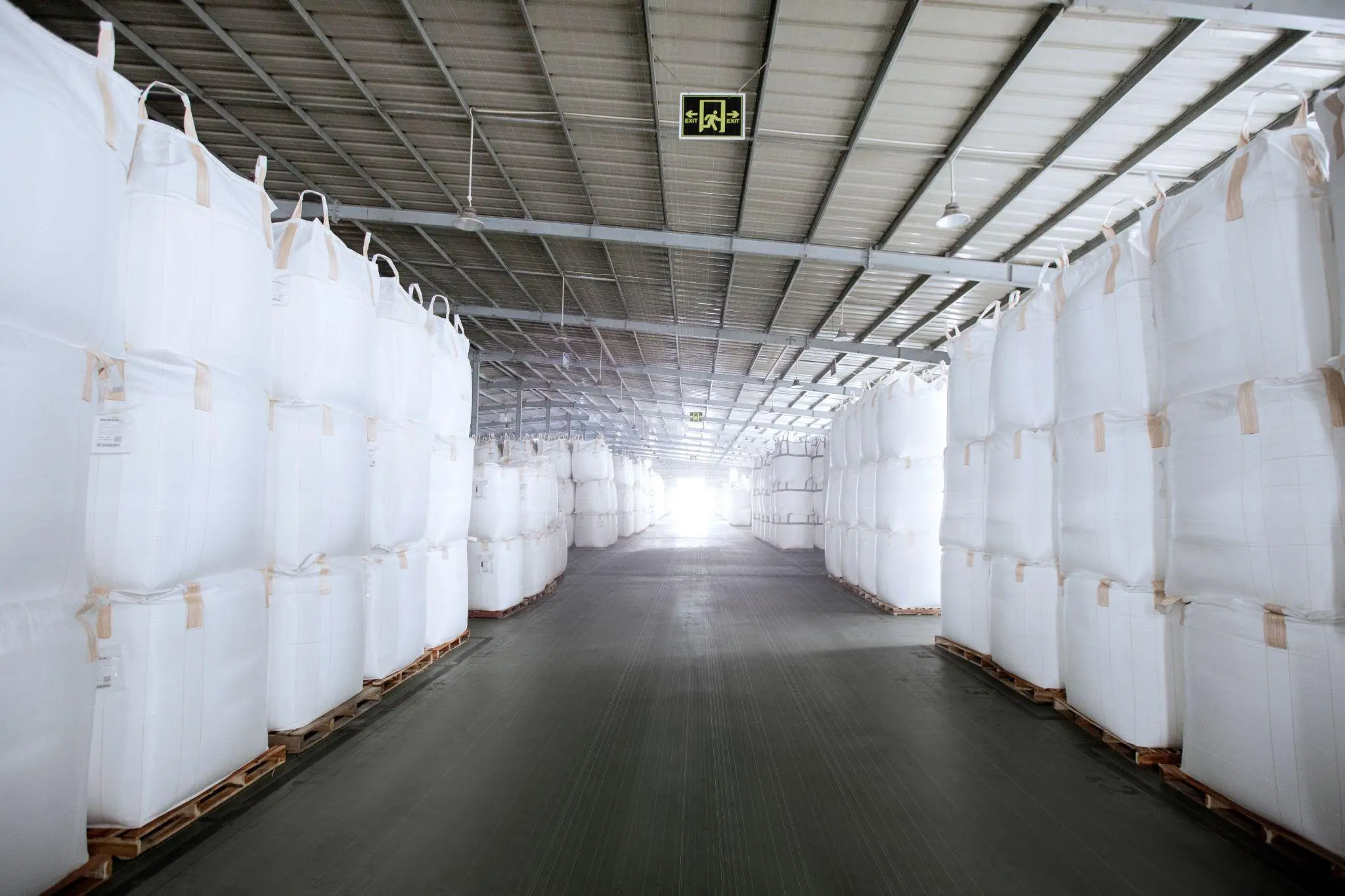
Phenikaa Hue’s minerals are trusted and delivered to partners across multiple continents.
Amid growing uncertainties in global maritime transport—especially the potential disruption of the vital Strait of Hormuz—Phenikaa Huế recognizes the rising risk of increased logistics costs and potential delivery delays, particularly for shipments transiting through the region.
However, with a proactive and responsible approach, we are closely monitoring market developments and actively developing flexible shipping strategies to ensure stable supply and uphold our commitments to clients. We deeply value the partnership of our customers and will continue to provide timely updates as the situation evolves.

Phenikaa Hue – A trusted supplier of high-quality Cristobalite for industrial production.
Contact Us:
Fanpage Facebook: @Phenikaahue
See also
 Hướng dẫn mua
Discover 5 key criteria for selecting high-quality Cristobalite for the materials industry. Optimize product performance, durability, and aesthetics in industrial applications.
 Hướng dẫn mua
Keywords: Cristobalite, Phenikaa Hue, cristobalite cakingMeta description: Caking during storage can significantly impact the final quality of Cristobalite-based products. Phenikaa Hue identifies the causes and offers practical solutions to help businesses prevent this issue and
 Hướng dẫn mua
Discover Cristobalite packaging standards from Phenikaa Hue – a trusted Cristobalite supplier: bag weight, container loading, safe storage & shipping. Contact us for the best quote!