5 key criteria for choosing high-quality cristobalite in the materials industry
Fanpage Facebook: @Phenikaahue
Main keyword: Cristobalite
Secondary keywords: Phenikaa Hue, materials industry
Cristobalite is one of the essential materials widely used across various industries, from ceramic tile production and refractory materials to composite products. Selecting high-quality Cristobalite plays a decisive role in the performance and durability of the final product. This article will help you understand how to assess Cristobalite quality and make informed choices tailored to different industrial applications.
Why is high-quality cristobalite important?
Cristobalite is a polymorph of silica, widely used in many industries due to its outstanding properties such as high durability, excellent heat resistance, and aesthetic color capabilities. Using high-quality Cristobalite offers clear benefits:

Sand filtration line at Phenikaa Hue.
Extensive industrial applications
Cristobalite is applied in ceramic tiles, porcelain, composites, and refractory materials. Each application requires Cristobalite to meet strict standards for purity, structure, and thermal resistance.
Impact on product performance
Low-quality Cristobalite may compromise durability, color, and thermal resistance, potentially causing issues during manufacturing.
Key criteria for high-quality Cristobalite
1. High purity Cristobalite should contain a minimum of 99.8% silicon dioxide (SiO₂) with extremely low levels of impurities like iron oxide (Fe₂O₃) and aluminum oxide (Al₂O₃). High purity ensures stable and consistent performance across applications.
2. Uniform particle size A narrow particle size distribution with ultra-fine particles (typically 1–50 micrometers) enhances dispersion, surface smoothness, and bonding in final products. Uniform particle size is crucial for optimal performance in paints, plastics, ceramics, and refractories.
3. Stable crystal phase A high content of β-cristobalite with minimal amorphous or quartz phases is essential. The β-phase improves thermal and mechanical stability. Crystal phase stability ensures the material can withstand high temperatures and mechanical stress without degradation.
4. Exceptional whiteness Cristobalite should have a whiteness value (L* on the CIE scale) greater than 98. High whiteness provides excellent aesthetics and optical properties, especially important in applications like coatings and ceramics.

Cristobalite product from Phenikaa Hue
5. Superior heat resistanceCristobalite should feature a phase transition temperature above 1400°C and a low thermal expansion coefficient. This minimizes cracking and structural failure in high-heat applications such as refractories and dental ceramics.
To ensure premium quality, the production process should include:
Strict selection of raw materials
Multi-stage processing with controlled temperature and pressure
Continuous monitoring during manufacturing
Thorough screening to eliminate impurities and maintain particle consistency
Choosing a trusted cristobalite supplier
When selecting high-quality Cristobalite, focus on these criteria:
Purity ≥ 99.8% SiO₂ with minimal impurities
Ultra-fine, uniform particle size (1–50 µm)
Stable β-cristobalite phase
High whiteness (L* > 98)
Heat resistance with a phase transition temperature > 1400°C and low thermal expansion.
These factors ensure reliability, durability, and aesthetic quality across a variety of industrial uses.
Choosing a reputable supplier is vital. Businesses should verify the supplier’s certifications and international standards to ensure the product meets both quality and environmental requirements

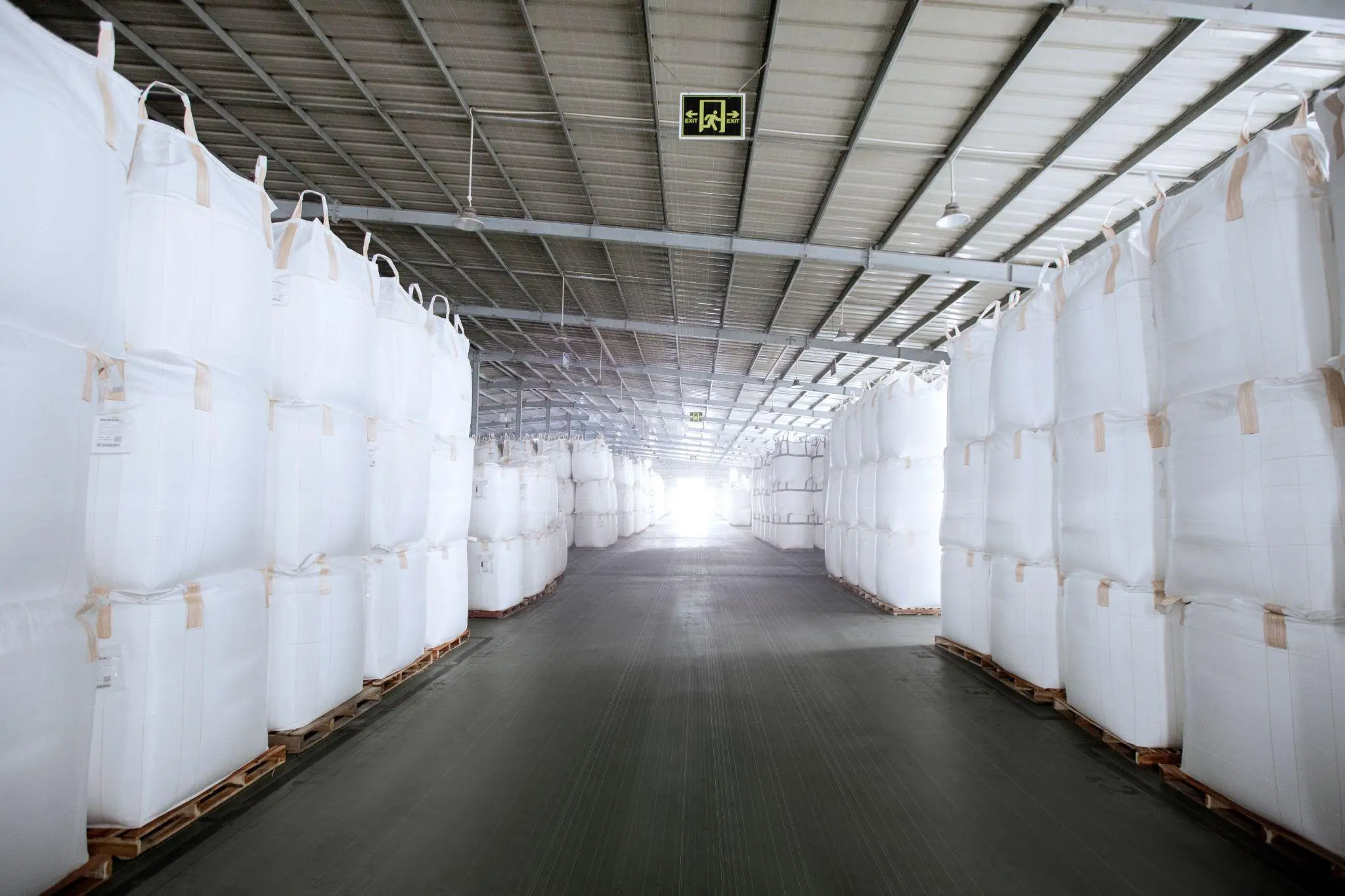
Every bag of Cristobalite at Phenikaa Hue is subject to strict quality control.
At Phenikaa Hue, each production batch is made with advanced German technology, with rigorous quality control from raw material selection to particle size classification.
Phenikaa Hue doesn’t just supply materials—it partners with clients through technical consulting services, supporting formula optimization, reducing cracking risks, and improving operational efficiency.
International certifications – a total commitment to quality, environment, and social responsibility
ISO 9001:2015 – Comprehensive Quality Management
ISO 45001:2018 – Occupational Health & Safety
ISO 14001:2015 – Sustainable Environmental Management
ISO 14067:2018 – Carbon Footprint Measurement & Management
SA 8000 – Labor Safety, Worker Welfare, and Social Responsibility
Phenikaa Hue continually innovates to deliver high-quality Cristobalite that is environmentally friendly, safe for production, and aligned with global sustainability trends.

Phenikaa Hue – a trusted cristobalite supplier with advanced german technology.
Contact Us:
Fanpage Facebook: @Phenikaahue