


Your privacy at Phenikaa Hue
Phenikaa Hue uses necessary mechanisms to operate this website. Optional cookies and third-party content load only with your permission. You can reject them or change your choices through Privacy settings in the footer.

Reference:
https://www.databridgemarketresearch.com/reports/global-cristobalite-market
https://www.industryresearch.biz/market-reports/cristobalite-market-113272
📞 Hotline: +84 79 660 8686
📧 Email: kdvt.pnkh@phenikaa.com
🌐 Website: www.phenikaahue.com
📱 Facebook: @Phenikaahue.official
💼 LinkedIn: Phenikaa Hue
Reference:
https://www.databridgemarketresearch.com/reports/global-cristobalite-market
https://www.industryresearch.biz/market-reports/cristobalite-market-113272
The Cristobalite market is poised for explosive growth over the next decade, fueled by the global demand for durable, high-heat-resistant, and environmentally friendly materials. As a crystalline form of silica, the Cristobalite market is crucial not only for the construction sector but also serves as a foundation for technical ceramics, metal casting, and glass manufacturing. Driven by the shift toward sustainable solutions, Cristobalite is rapidly replacing less efficient traditional materials.

Cristobalite Grains at Phenikaa Hue.
This article provides a logical analysis of the key trends, growth drivers, breakthroughs in production technology for cristobalite, regional analysis, and forecasts through 2034. Drawing on data from Data Bridge Market Research, we will explore how the Cristobalite market is shaping the future of industrial materials.
According to the Data Bridge Market Research report, the global Cristobalite market was valued at USD 42.50 million in 2024. With a projected Compound Annual Growth Rate (CAGR) of 7.60% from 2025 to 2032, the market is set to reach USD 76.36 million by 2032. Continuing this growth trajectory, the market size is projected to reach approximately USD 115.50 million by 2034 - a significant expansion fueled by industrialization in Asia and infrastructure reconstruction in Europe.
This robust growth is underpinned by Cristobalite’s outstanding properties: superior thermal stability, high chemical resistance, and ideal silica purity. These factors make Cristobalite the material of choice for demanding applications, from high-strength concrete to refractory ceramics.
The Cristobalite market is being led by the demand for high-performance materials amidst rapid urbanization and the green technology movement. The following are the most prominent trends
The increasing demand within the construction sector is the most powerful catalyst driving the Cristobalite market.
As global construction projects accelerate, particularly in emerging economies like China and India, the market requires a substantial volume of durable, high-performance materials. Cristobalite perfectly meets this requirement: its exceptional thermal stability, high-temperature resistance, and impressive durability make it an indispensable component in the production of high-strength concrete, ceramics, and advanced construction materials.
For example, in major infrastructure projects like bridges, highways, and skyscrapers, Cristobalite is incorporated into specialized concrete mixes. This helps the structures effectively withstand severe weather conditions and maintain structural integrity over time.
Furthermore, its application in manufacturing ceramic tiles and refractory materials ensures that structures are equipped with robust, heat-resistant, and aesthetically pleasing materials. This relentless wave of urbanization and industrialization will continue to push the demand for high-performance materials, thereby significantly boosting the Cristobalite market within the construction segment. This also positions Cristobalite as a premium input for specialty sands, often complementing the artificial sand market in high-grade engineered stone and casting applications.
>>> Phenikaa Hue - The leading cristobalite supplier
With its excellent thermal shock resistance, Cristobalite is becoming a star component in technical ceramics and specialty glass for automotive and electronics industries. It prevents cracking under thermal variations, making it ideal for car windshields and electronic displays. This trend is expected to boost Cristobalite market growth by up to 20% in the ceramics segment by 2030.
Strict environmental regulations are driving the use of Cristobalite in insulating materials, energy-saving windows, and low-carbon concrete. This aligns perfectly with the "Green Building" movement, helping to reduce energy consumption and emissions, contributing to global sustainable development goals through 2034.
The growth of the Cristobalite market relies not only on current demand but also on several strategic drivers:
Construction and engineered stone revolution: Rapid urbanization in Asia creates high demand for Cristobalite-derived sands used in ceramic tiles and refractory materials, helping structures maintain long-term integrity.
Ceramics and glass industry development: The need for high-heat-resistant products in automotive and electronics drives Cristobalite adoption, improving precision in metal casting and surface finish.
Sustainability trend: Cristobalite supports the production of green materials, reducing environmental impact and complying with EU regulations on energy savings.
Despite facing challenges such as the health risks associated with silica dust and competition from substitutes like kaolin, opportunities arising from new technologies are expected to prevail.
Advancements in the production technology for Cristobalite are revolutionizing the Cristobalite market by reducing costs and enhancing quality. Key developments include:
Process automation: Automated extraction and processing lines, like those in modern plants, increase productivity and minimize human error.
Energy-Efficient kilns: Calcination technology operating at high temperatures with up to 30% higher energy efficiency converts silica into purer Cristobalite.
Advanced refining methods: Impurity filtering techniques produce ultra-white, fine Cristobalite suitable for high-end coatings, technical plastics, and premium artificial sand applications.

Phenikaa Hue utilizes the advanced German firing technology system in its manufacturing process.
These innovations not only expand profit margins but also help the Cristobalite market access mid-range segments, projecting a 15% increase in global output by 2034.
The Cristobalite market is geographically uneven, with several key regions standing out:
Asia-Pacific (APAC): Dominates the market due to booming construction and automotive sectors in China and India. Urbanization generates massive demand for ceramics and specialized sands, projected to hold 45% of the market share by 2034.
Europe: Projected for the fastest growth (CAGR 8.5%), driven by established foundry and glass industries in Germany and Italy. The shift to high-quality Cristobalite supports premium products in automotive and electronics.
Other regions, such as North America and the Middle East, also contribute, but APAC and Europe lead the trends.
In a Cristobalite market demanding high and stable quality, Phenikaa Hue emerges as a reliable partner. With a modern manufacturing plant in Vietnam, we utilize advanced production technology for Cristobalite, including automation and ultrafine refining, ensuring our export products meet stringent international standards.
Phenikaa Hue not only supplies high-quality Cristobalite for construction, ceramics, and specialty artificial sand applications but is also deeply committed to sustainability.

An overview of the Phenikaa Hue manufacturing plant in Vietnam.
Connect with us to receive detailed technical documentation and customized solutions, helping your business lead the Cristobalite market until 2034 and beyond.
CONTACT PHENIKAA HUE
📞 Hotline: +84 79 660 8686
📧 Email: kdvt.pnkh@phenikaa.com
🌐 Website: www.phenikaahue.com
📱 Facebook: @Phenikaahue.official
💼 LinkedIn: Phenikaa Hue
See also
 Kỹ thuật
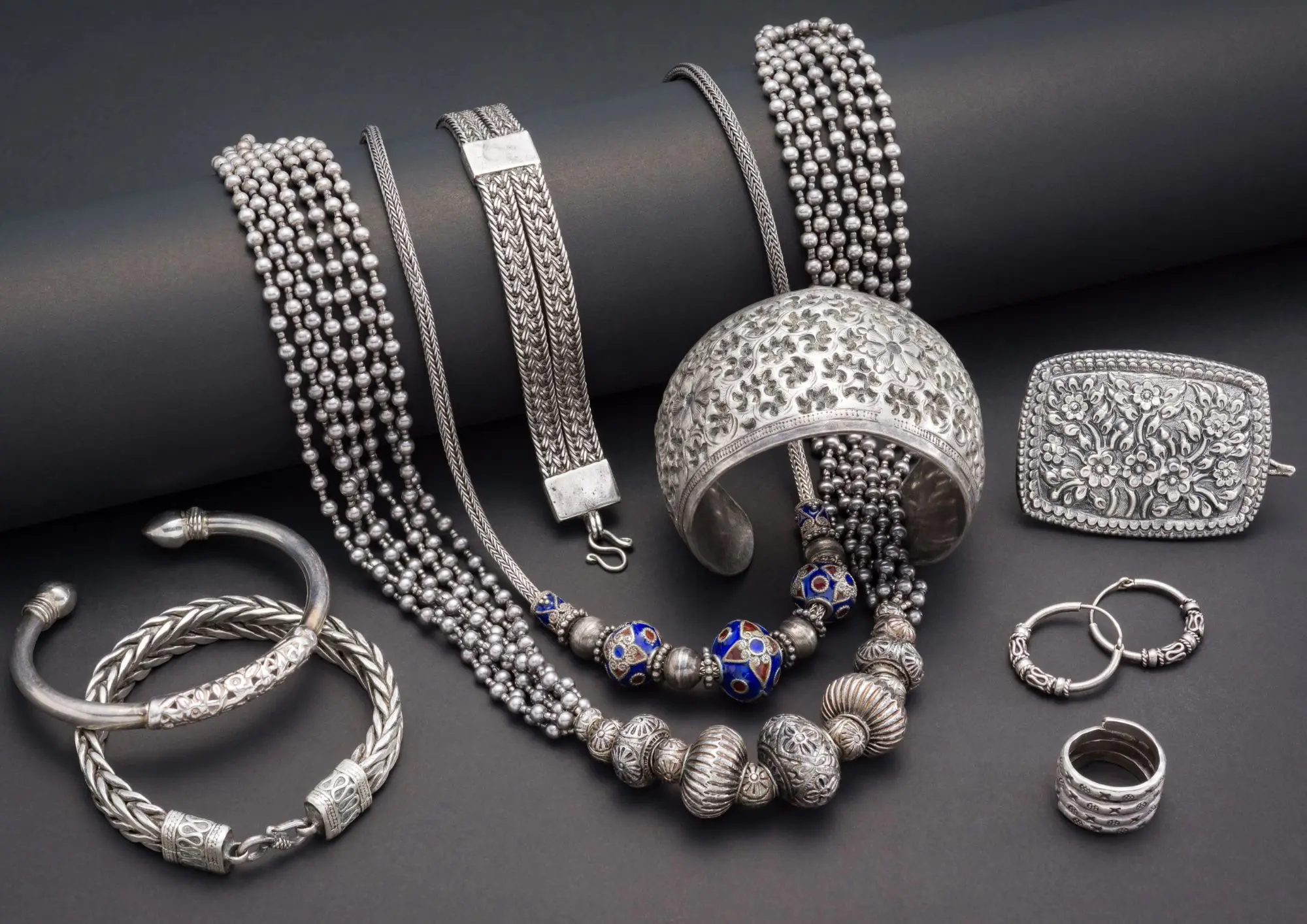
High-purity Phenikaa Hue Cristobalite with optimal thermal expansion, delivering ultra-smooth, sharp jewelry casting molds that meet international standards.
 Kỹ thuật
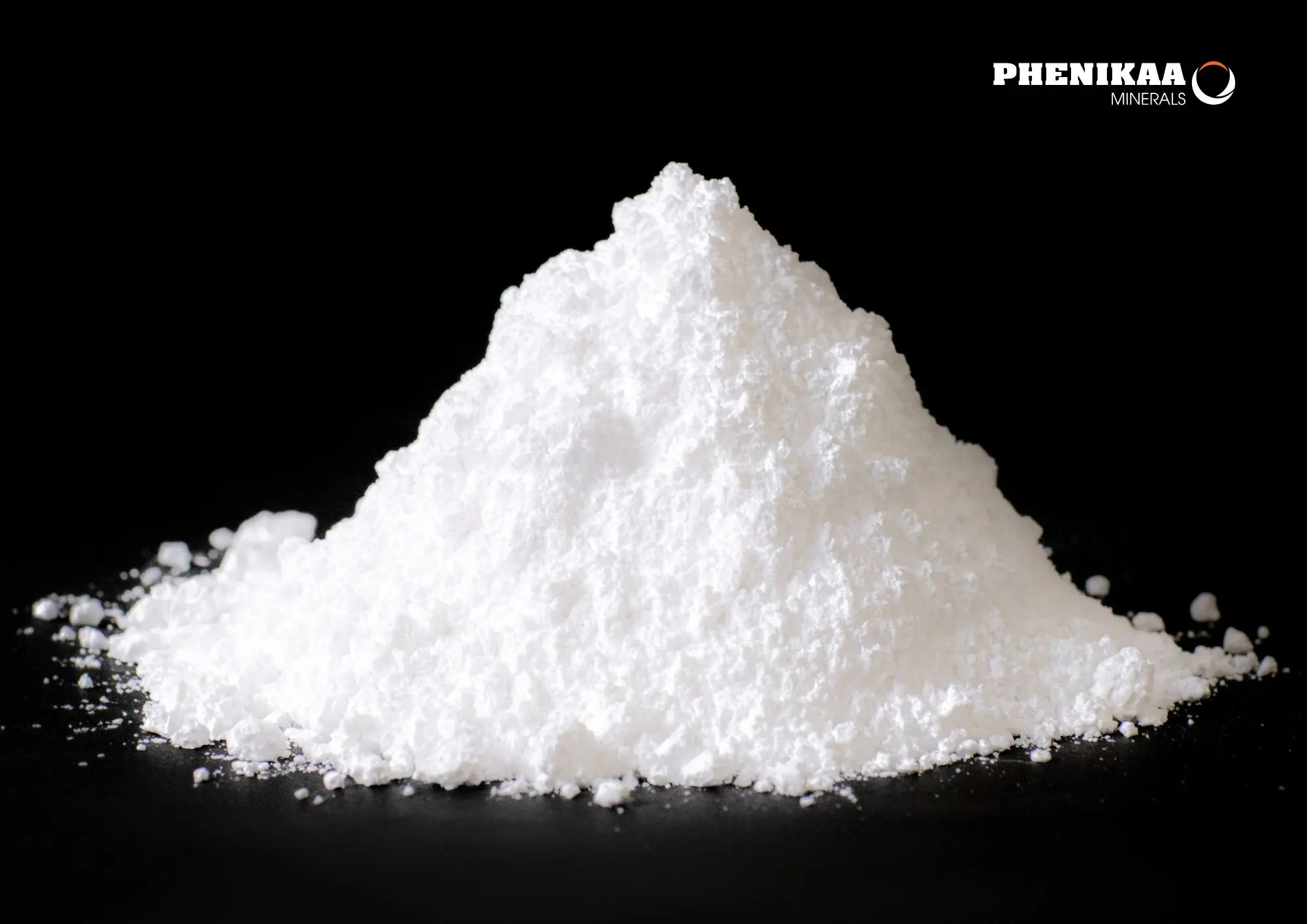
Discover the role of ultrafine grinding in producing cristobalite from silica sand, delivering superior durability and whiteness for paint, plastic and rubber.
 Kỹ thuật
Decoding the cracking issue in artificial stone production from Cristobalite, a comprehensive analysis from materials to processes and effective solutions with Phenikaa Hue.