


Your privacy at Phenikaa Hue
Phenikaa Hue uses necessary mechanisms to operate this website. Optional cookies and third-party content load only with your permission. You can reject them or change your choices through Privacy settings in the footer.

📞 Hotline: +84 79 660 8686📧 Email: kdvt.pnkh@phenikaa.com🌐 Website: www.phenikaahue.com📱 Facebook: @Phenikaahue.official
💼 LinkedIn: Phenikaa Hue
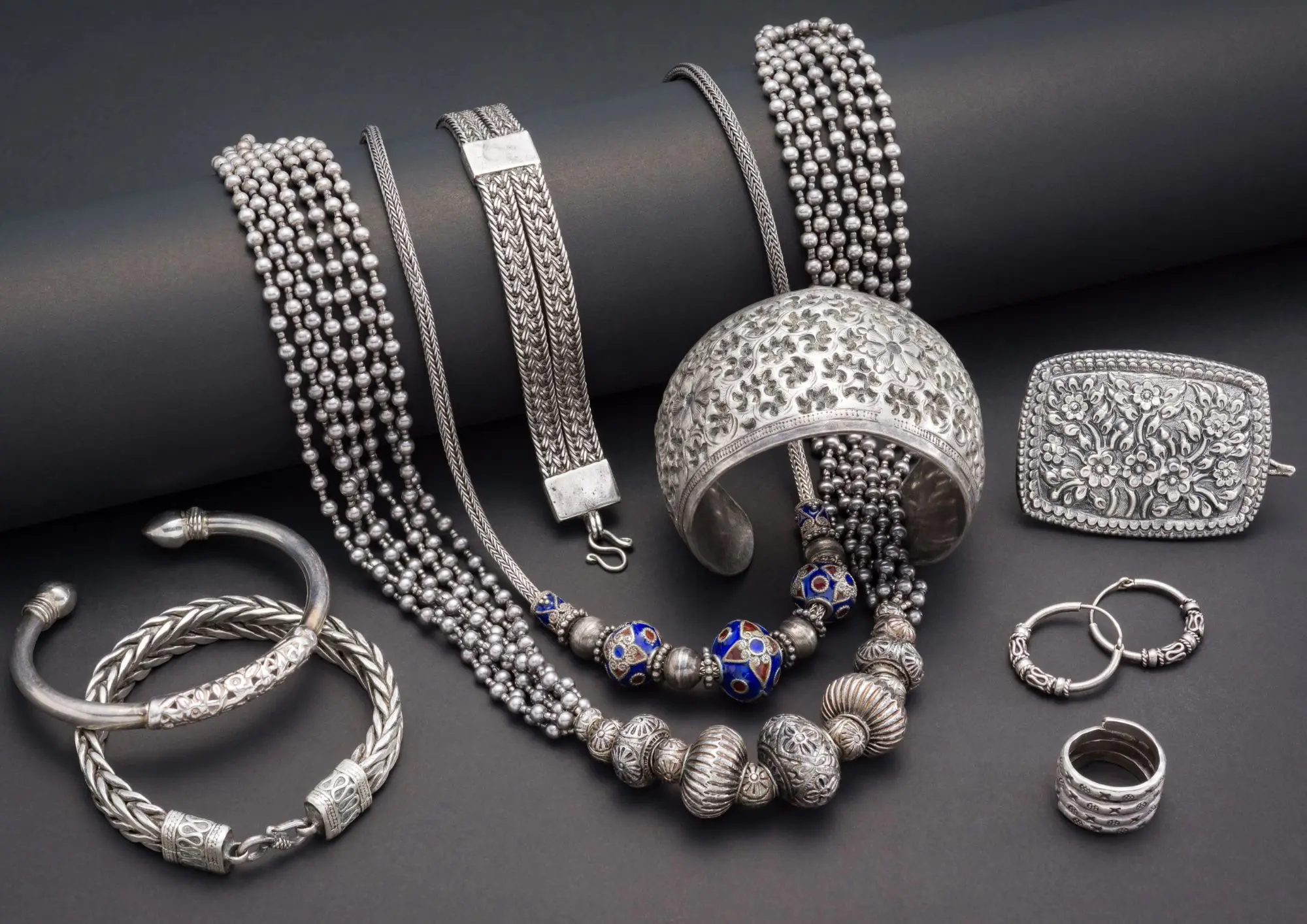
In the jewelry mold industry, proper storage of Cristobalite plays a crucial role in maintaining the quality of the final products. Cristobalite is not only an essential raw material but also helps optimize the casting process, minimizing common issues such as mold cracking or deformation.
This article provides detailed guidance on how to store Cristobalite to prevent moisture, ensuring consistent performance and precision in lost-wax casting technology.
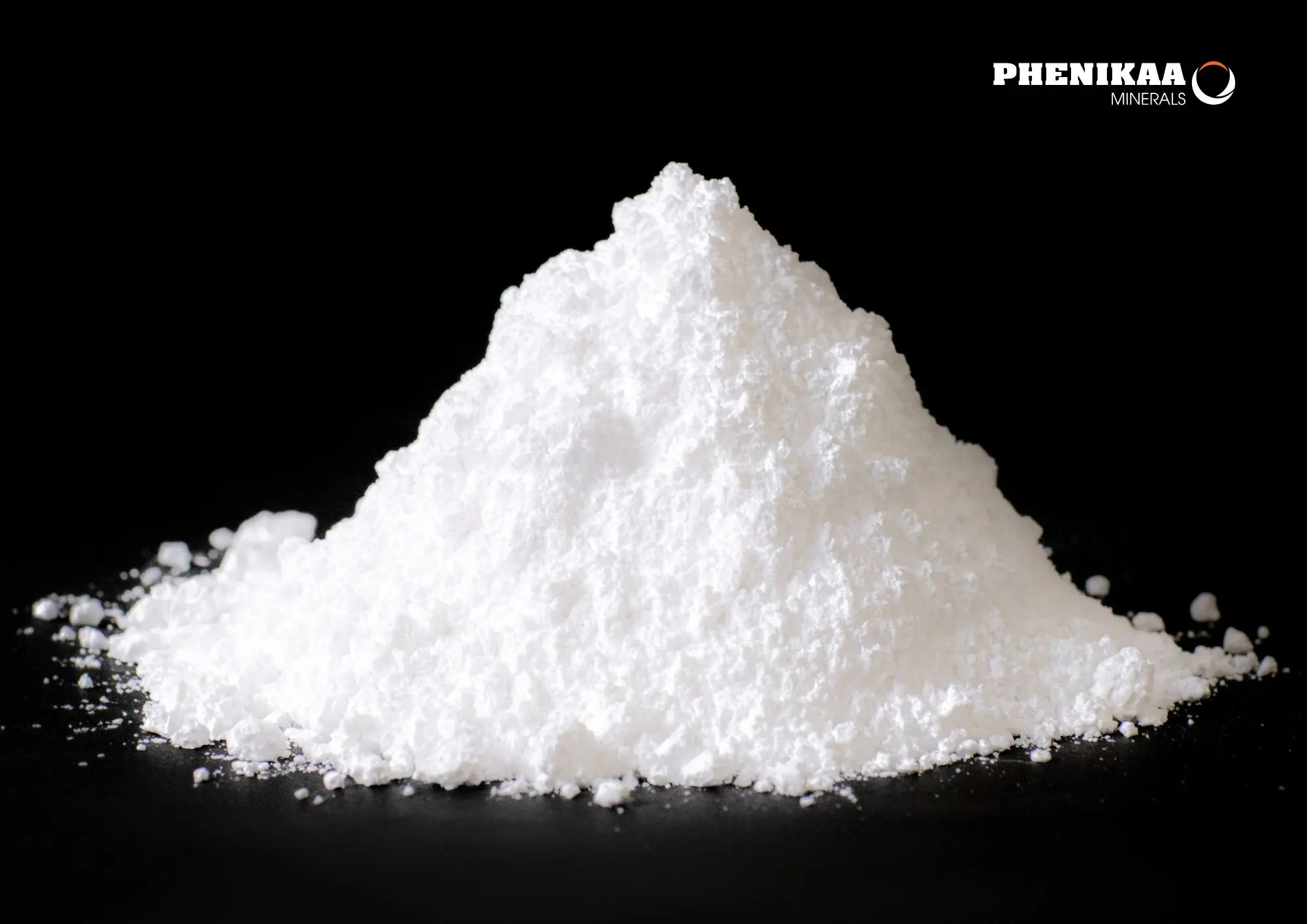
Cristobalite is a high-temperature crystalline form of silica (SiO₂), widely used in the jewelry mold industry, especially in lost-wax casting. With excellent heat resistance, dimensional stability, and strength-enhancing properties, Cristobalite ensures greater casting accuracy.Proper storage of Cristobalite, particularly avoiding moisture, is essential to maintain mold quality, thermal stability, and achieve flawless jewelry casting results.

Applications of cristobalite in jewelry mold casting.
During the casting process, tetragonal Cristobalite undergoes controlled phase transitions at approximately 250°C and 570°C, creating positive volumetric expansion. This expansion compensates for the natural shrinkage of gypsum molds during heating, reducing mold cracking and product deformation.
Moreover, Cristobalite enhances mold compressive strength, surface smoothness, and gas permeability - resulting in high-definition, defect-free jewelry molds.
Correct storage of Cristobalite is the foundation of consistent quality in the jewelry mold industry.Cristobalite powder is highly hygroscopic and easily absorbs moisture from ambient air. Excess moisture alters powder flowability, promotes agglomeration, and negatively affects the setting behavior of investment materials. If Cristobalite becomes damp, it may cause incomplete burnout, cracking, porosity, and dimensional inaccuracies in both the mold and the final jewelry product. With high purity (SiO₂>98%) and tightly controlled impurities (Na⁺ < 0.22 wt%), Phenikaa Hue’s Cristobalite ensures stable thermal expansion and prevents unwanted chemical reactions during heating and casting.
To achieve effective storage of Cristobalite, store it in dry, sealed containers or moisture-proof bags with desiccants to prevent water absorption. Keep the material in a stable-temperature, low-humidity environment, avoiding rapid temperature fluctuations that could destabilize its crystal structure.Regularly check and recondition the material by drying or pre-heating it before use if necessary.

Phenikaa Hue’s expertise in the storage of cristobalite.
With years of expertise in handling and storage of Cristobalite, Phenikaa Hue ensures product integrity from packaging to application. Proper storage offers key benefits such as maintaining low moisture levels, ensuring predictable thermal expansion, consistent mold strength, and optimal burnout behavior.
These practices minimize defects like mold cracking, metal leakage, and casting porosity—delivering sharper details and smoother surface finishes in jewelry mold products.
In the jewelry mold industry, choosing the right packaging materials is vital for effective storage of Cristobalite. Ideal materials should provide strong moisture barriers, high durability, and compatibility with desiccants to maintain dryness.
Multi-layer moisture barrier bags are the preferred choice, typically combining polyethylene, nylon, polyester, and aluminum foil. The aluminum layer acts as an impermeable barrier against moisture, oxygen, and gases—keeping humidity low inside the package. These heat-sealable and puncture-resistant bags are suitable for moisture-sensitive powders like Cristobalite.
Airtight containers and plastic liners made from polyethylene (PE) or polypropylene (PP) also provide effective moisture and chemical resistance. When sealed properly, they prevent moisture ingress and clumping. Adding silica gel desiccants further reduces residual humidity and prevents water absorption. Metalized films and foils with aluminum coatings offer superior protection against moisture, oxygen, and UV rays, extending Cristobalite’s shelf life while preserving its purity and structural stability.
Proper storage of Cristobalite is a key factor in ensuring quality and performance in jewelry mold production.With over nine years of experience in the storage, transportation, and handling of Cristobalite, Phenikaa Hue proudly provides ultra-pure Cristobalite powder and optimal preservation solutions that meet the stringent standards of the global jewelry casting industry.

Phenikaa Hue’s Cristobalite powder meets all technical and purity standards required for jewelry mold casting.
For detailed guidance on how to store Cristobalite to prevent moisture and enhance your casting process efficiency, contact Phenikaa Hue today. Our team is ready to provide expert consultation and help you achieve the perfect jewelry mold results.
📞 Hotline: +84 79 660 8686📧 Email: kdvt.pnkh@phenikaa.com🌐 Website: www.phenikaahue.com📱 Facebook: @Phenikaahue.official
💼 LinkedIn: Phenikaa Hue
See also
 Kỹ thuật
High-purity Phenikaa Hue Cristobalite with optimal thermal expansion, delivering ultra-smooth, sharp jewelry casting molds that meet international standards.
 Kỹ thuật
Discover the role of ultrafine grinding in producing cristobalite from silica sand, delivering superior durability and whiteness for paint, plastic and rubber.
 Kỹ thuật
Decoding the cracking issue in artificial stone production from Cristobalite, a comprehensive analysis from materials to processes and effective solutions with Phenikaa Hue.