Cristobalite, a crystalline form of silica, is increasingly popular in the paint, plastic, and rubber industries due to its superior properties. This article explores the critical role of cristobalite in these three sectors, highlighting its benefits and guiding businesses in selecting the right cristobalite for their production needs..
1. What is Cristobalite?
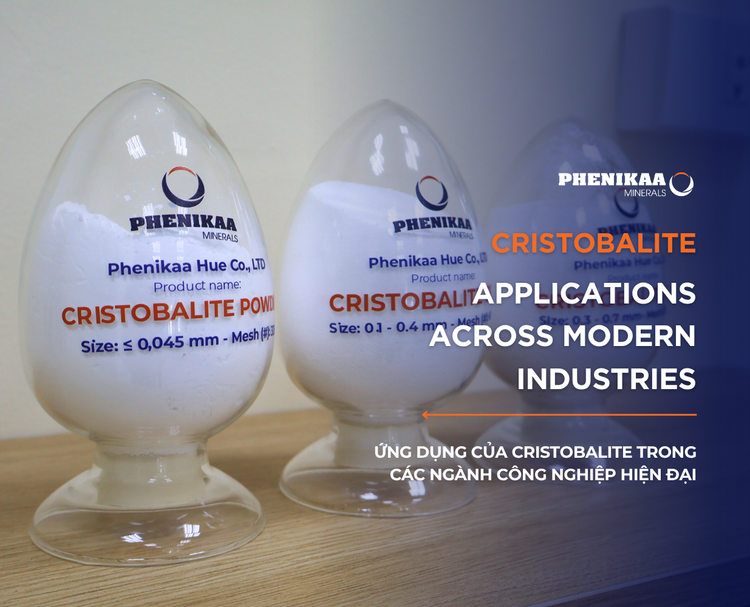
Cristobalite is a silica mineral with a stable crystalline structure, either mined naturally or synthetically produced from silica sand through high-temperature calcination. Its standout characteristics include:
- High Hardness (Mohs 6.5-7): Enhances durability and wear resistance.
- Exceptional Whiteness (98% - Phenikaa Hue’s cristobalite): Ideal for products requiring aesthetic appeal.
- Heat Resistance (melting point ~1,710°C): Suitable for harsh environments.
- Chemical Inertness: Chemically inert, ensuring exceptional and long-lasting durability.
Thanks to these properties, cristobalite is widely used in industries such as coatings, engineering plastics, and industrial rubber.
2. Silica applications of cristobalite in paint production
Cristobalite plays a crucial role as a functional filler in the paint industry, offering numerous superior benefits:
a. Enhancing durability and wear resistance
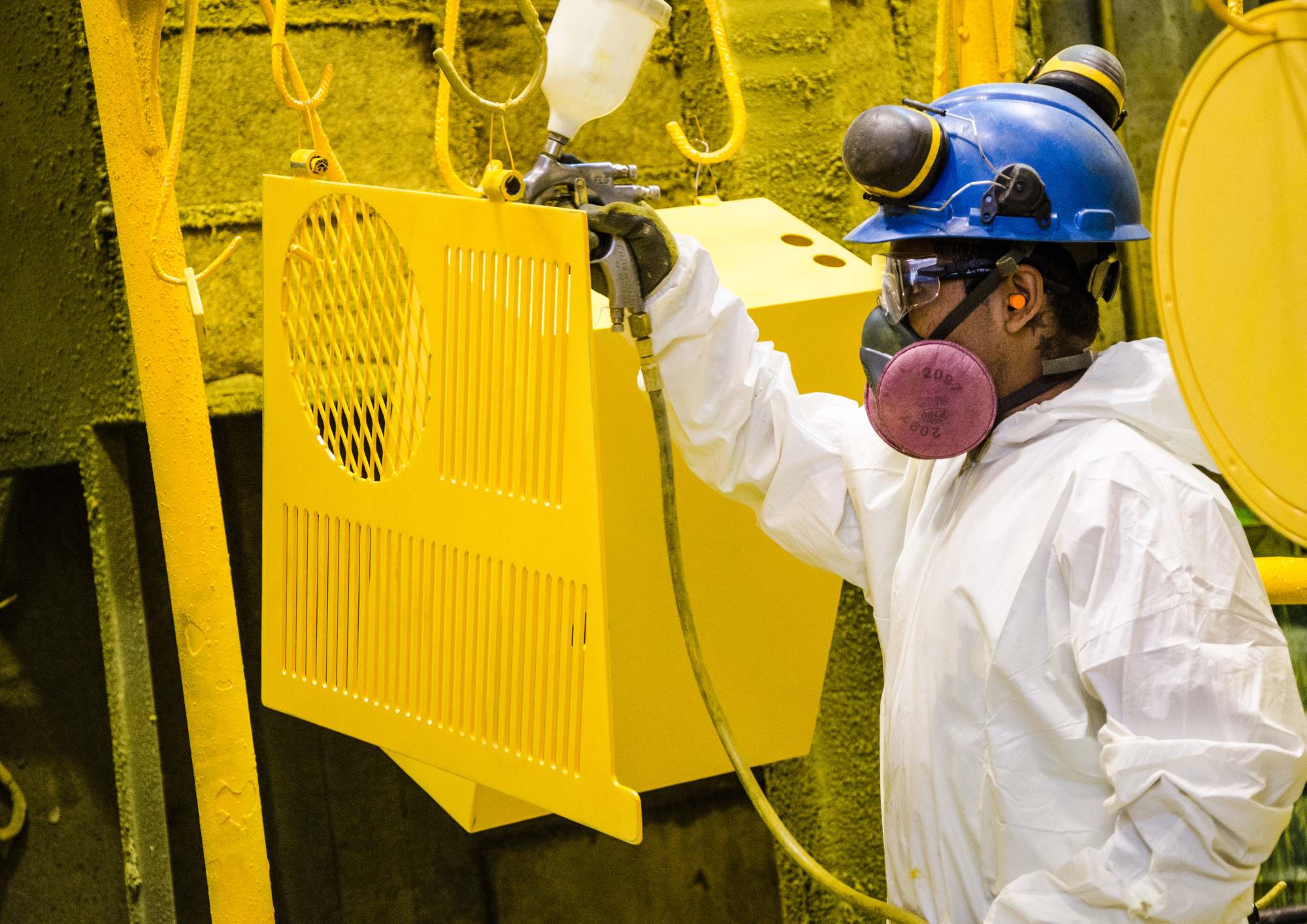
Due to its high hardness, cristobalite enables paint coatings to resist scratches and abrasion, particularly in industrial paints such as floor coatings, marine paints, or anti-corrosion coatings. Phenikaa Hue provides cristobalite with fine and uniform particle sizes, optimizing paint performance.
b. Improving optical properties
With its high whiteness and refractive index of 1.48-1.49, cristobalite enhances the opacity and brightness of paint, reducing the amount of pigment required and thereby lowering costs. This is particularly crucial for interior and exterior paints, providing a smooth and aesthetically pleasing coating.
c. Controlling viscosity and preventing settling
Cristobalite, surface-treated with silane, improves dispersion, prevents sedimentation, and ensures suitable viscosity for paint. This facilitates easier application and results in a more uniform coating.
d. Specific Applications
- Architectural Paints: Enhances durability and aesthetics for interior and exterior wall coatings.
- Industrial Paints: Used in fire-resistant coatings, marine paints, or machinery coatings.
- Powder Coatings: Improves hardness and heat resistance.
Phenikaa Huế supplies high-quality cristobalite, meeting international standards, enabling paint manufacturers to optimize their products.
3. Silica applications of Cristobalite in Plastic Production
In the plastics industry, cristobalite is used as a reinforcing filler, offering the following benefits:
a. Improving mechanical properties
- Strength and hardness: Cristobalite enhances tensile strength and impact resistance, particularly in engineering plastics such as epoxy, polyamide, or polyester.
- Dimensional stability: With a low thermal expansion coefficient, cristobalite minimizes shrinkage or deformation in plastics under temperature changes.
b. Enhancing heat resistance
Cristobalite enables plastics to withstand high temperatures, making it suitable for applications such as electronic components, machinery casings, or composite plastics in the automotive and aerospace industries.
c. Surface properties
Cristobalite creates a smooth plastic surface, enhancing the aesthetic appeal of products like electronic device casings or household appliances. Phenikaa Huế supplies surface-treated cristobalite, ensuring compatibility with the plastic matrix.
d. Specific Applications
- Composite Plastics: Used in construction, automotive, and aerospace industries.
- Thermoplastics: Improves durability for packaging and household goods.
4. Silica applications of cristobalite in rubber production
Cristobalite serves as an ideal reinforcing filler in the rubber industry, offering the following benefits:
a. Mechanical reinforcement
- Tensile strength and tear resistance: Cristobalite enhances the durability of rubber products such as tires, belts, or hoses.
- Abrasion resistance: Its high hardness enables rubber to withstand friction, making it suitable for tires and shoe soles.
b. Heat and chemical resistance
Cristobalite helps rubber maintain its mechanical properties at high temperatures and resist corrosive chemicals, which is highly beneficial for products like gaskets, hoses, or industrial conveyor belts.
c. Cost efficiency
Compared to other fillers like fumed silica, cristobalite is more cost-effective while maintaining high performance, helping to reduce production costs.
d. Specific applications
- Tires: Increases durability and road performance.
- Industrial Rubber: Used in gaskets, hoses, and conveyor belts.
- Shoe Soles: Improves durability and abrasion resistance.
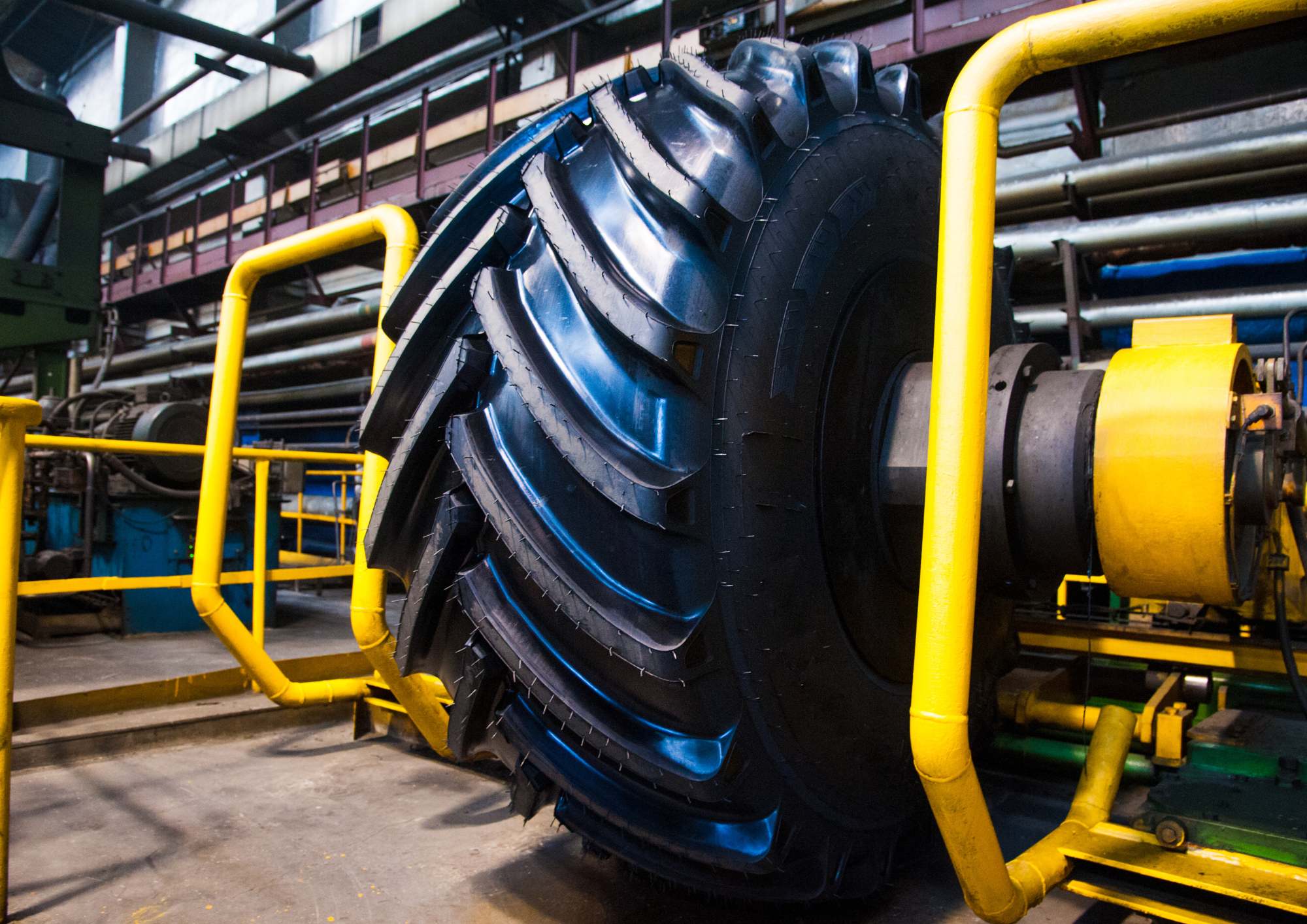
Phenikaa Hue supplies high-purity cristobalite to meet the demands of rubber manufacturers both domestically and internationally.
5. Choosing Cristobalite from Phenikaa Huế - Meeting the Most Stringent Standards
Cristobalite is a critical material, delivering exceptional value in the production of paint, plastic, and rubber due to its hardness, whiteness, and heat resistance.
Phenikaa Hue, a subsidiary of the Phenikaa Group, is one of Vietnam’s leading providers in the extraction, processing, and supply of cristobalite. With advanced technology and rigorous quality control processes, Phenikaa Hue ensures the delivery of cristobalite that meets international standards, suitable for the paint, plastic, and rubber industries. Their products not only fulfill domestic demand but are also exported to demanding markets such as Europe and the United States.
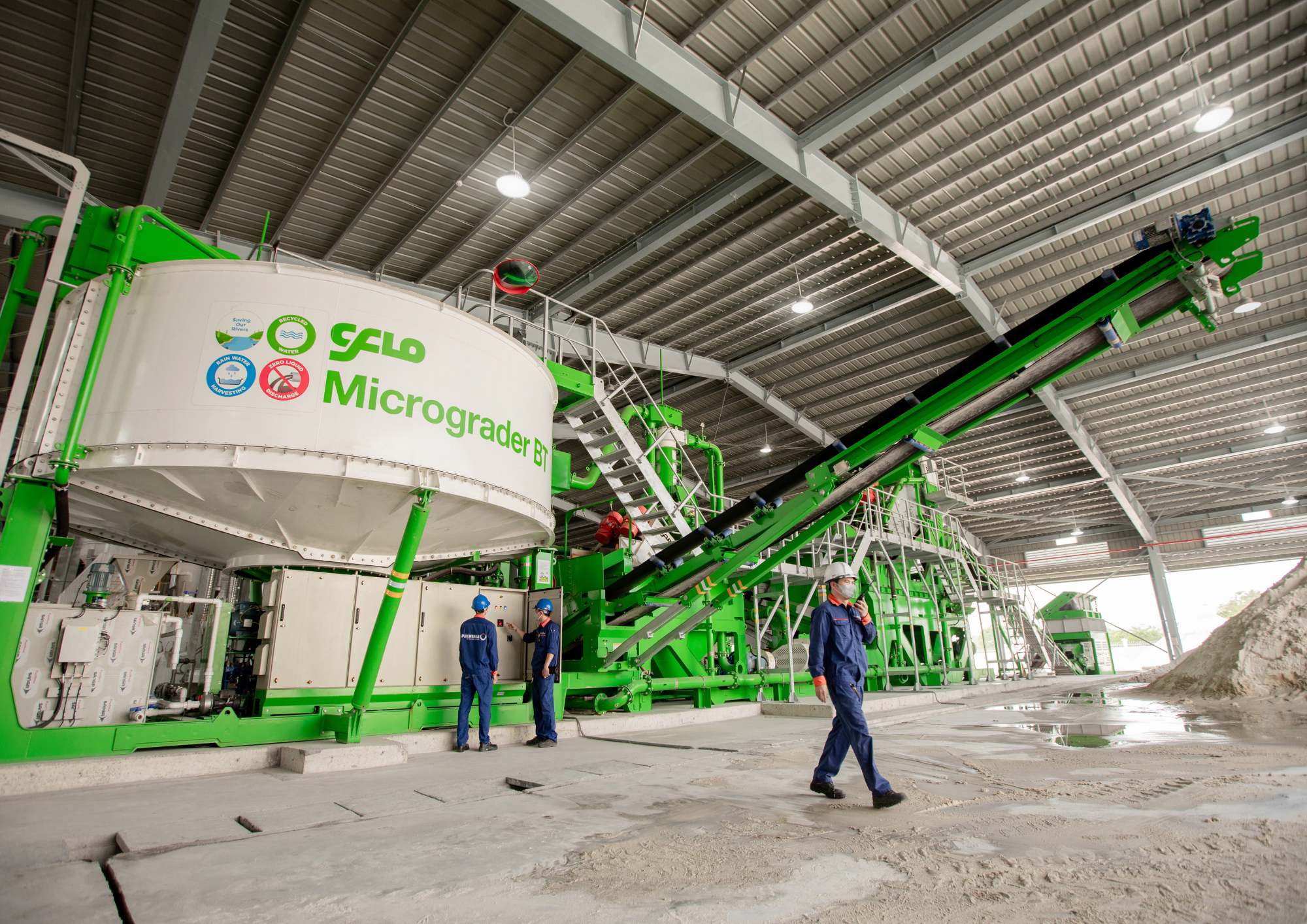
Partner with Phenikaa Hue to unlock optimal solutions for your paint, plastic, or rubber products with our reliable, high-quality cristobalite.
Contact us today for tailored cristobalite solutions that drive mutual success:
📞 Hotline: +84 79 660 8686
📧 Email: support.pnkh@phenikaa.com
🌐 Website: www.phenikaahue.com
📱 Facebook: @Phenikaahue.official
💼 LinkedIn: Phenikaa Hue