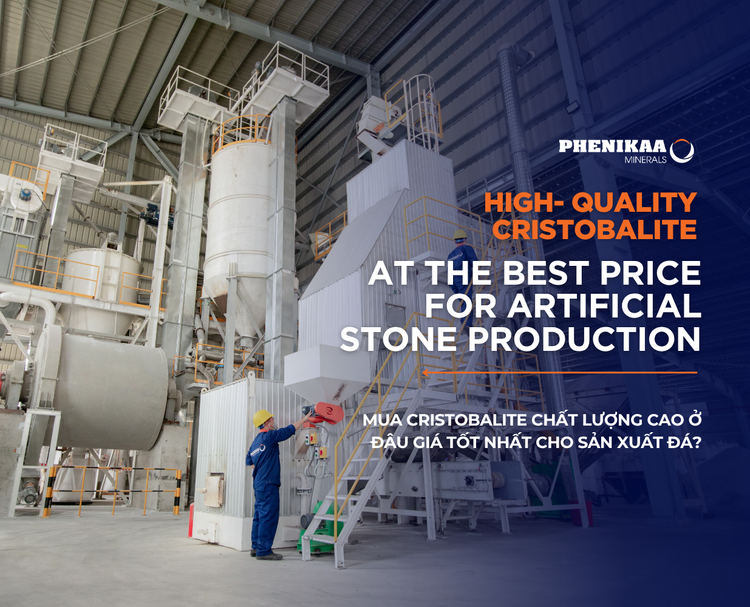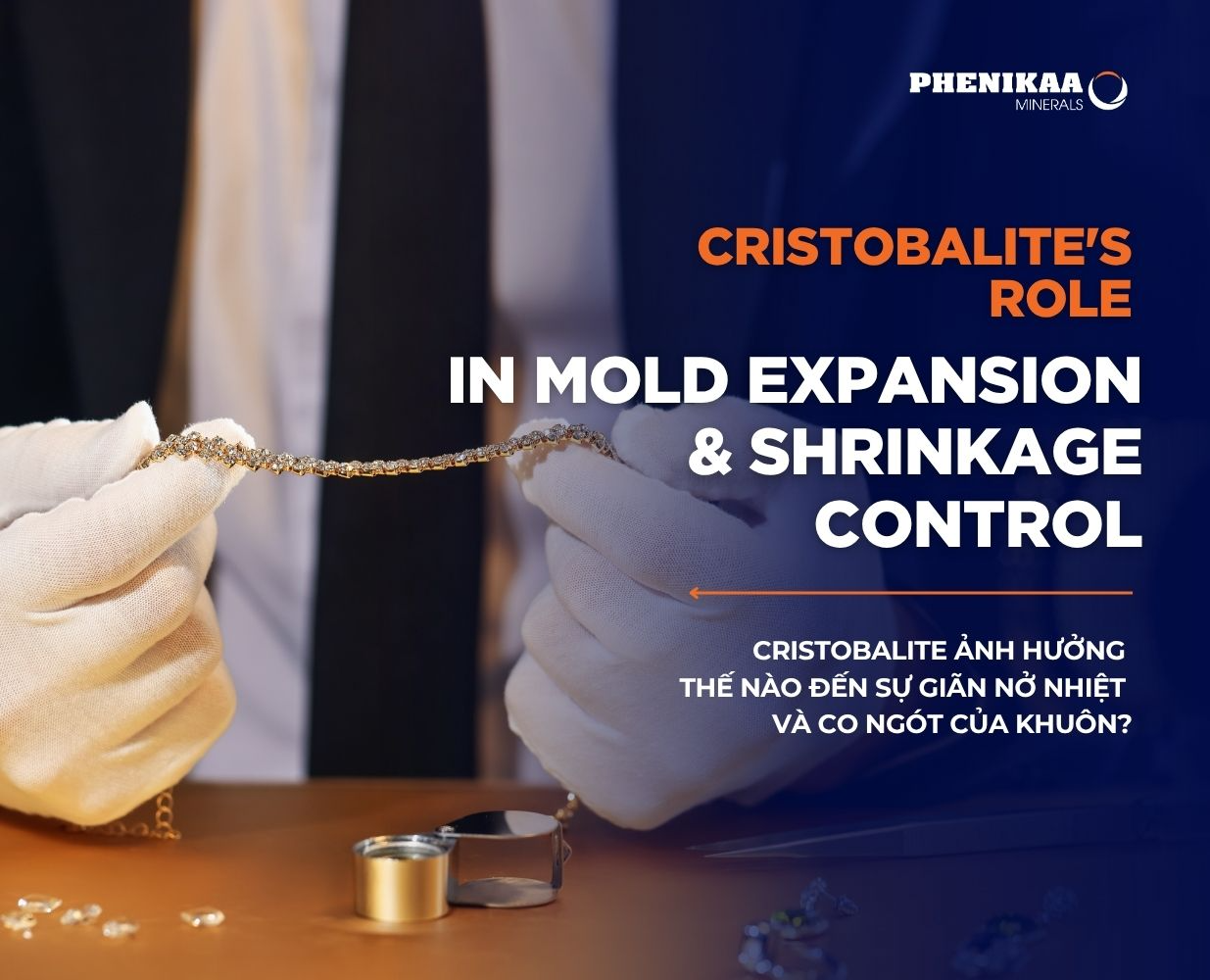
In the jewelry casting industry, the use of high-quality jewelry mold material is a decisive factor for creating intricate and durable products. Particularly in the lost-wax casting method, Cristobalite—a crystalline form of silica (SiO2)—plays a pivotal role. Cristobalite not only enhances heat resistance but also controls the thermal expansion and shrinkage of the mold, helping to minimize deformation and defects during production. This article will analyze in detail how Cristobalite affects the jewelry mold, from its mechanism to its practical benefits, aiming to provide a deeper understanding of its application in lost-wax casting.
Cristobalite in jewelry casting technology
Cristobalite is a crystalline polymorph of silica, widely used in jewelry mold mixtures due to its superior heat resistance and dimensional stability. In the lost-wax casting method, Cristobalite is added to the mold compound (typically combined with gypsum/plaster) to enhance strength and resist cracking. When fired at high temperatures, Cristobalite helps the mold withstand sudden temperature changes while compensating for the natural shrinkage of the base material.
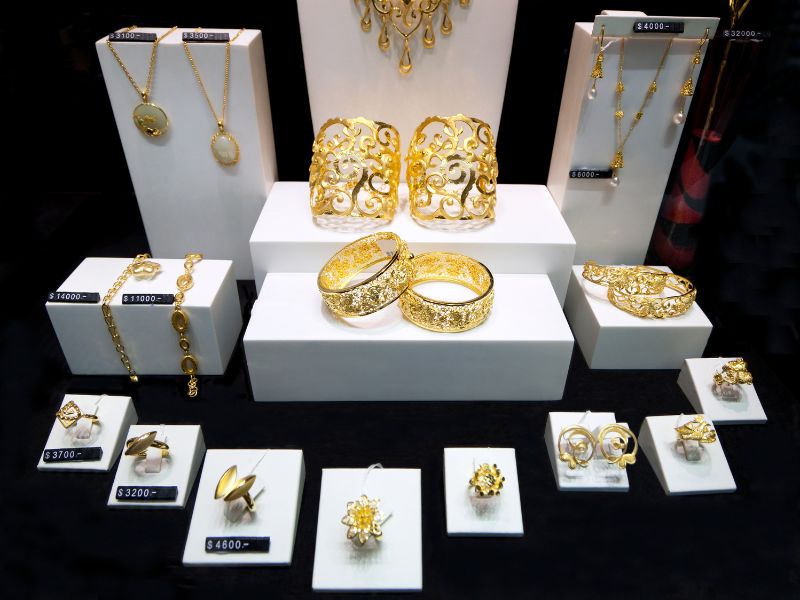
According to industry experts, Cristobalite has a melting point of approximately 1710∘C, making it an ideal choice for jewelry mold investment used in lost-wax casting. Beyond improving surface smoothness, Cristobalite minimizes deformation, ensuring that intricate jewelry details like complex patterns are accurately reproduced. Let's explore the impact of Cristobalite on the thermal expansion and shrinkage of the mold.
Key impacts of cristobalite in jewelry casting
Cristobalite offers numerous significant benefits for the jewelry mold, especially in the lost-wax casting process. Below are its main impacts, categorized by importance and practical application:
1. Heat resistance and thermal stability
Cristobalite is known for its excellent heat resistance, enduring temperatures up to 1710∘C without deforming. Its tetragonal crystal structure allows the mold to maintain dimensional stability even as it undergoes phase transitions at approximately 250∘C and 570∘C. In lost-wax casting, this allows the jewelry mold to withstand high firing temperatures without cracking, ensuring a smooth casting process.
For instance, when firing the mold to eliminate the wax pattern, Cristobalite prevents uncontrolled expansion, helping the mold retain its shape and avoid damage.
2. Control of thermal expansion
One of the most critical benefits of Cristobalite is its control over the thermal expansion of the jewelry mold. Cristobalite possesses a unique thermal expansion property, which can increase the mold's volume by more than 1% when added to the mix. This expansion effectively compensates for the natural shrinkage of the gypsum—the main binder in the mold—during firing.
In lost-wax casting, this controlled expansion prevents cracking and maintains the sharpness of product details. Without Cristobalite, the mold might shrink excessively, leading to distorted or undersized final jewelry pieces.
3. Mold strength and durability
When combined with gypsum, Cristobalite enhances the compressive strength of the jewelry mold, enabling it to better withstand stress and prevent breakage or molten metal leakage. In lost-wax casting, this durability ensures the accurate reproduction of fine details like diamond settings or complex necklace motifs.
As a result, the mold becomes more robust, reducing the risk of failure during the metal pouring process, thereby increasing production efficiency.
4. Product surface quality
Finely ground Cristobalite with strictly controlled particle size creates a smooth surface for the jewelry mold. In lost-wax casting, this translates directly into jewelry products with a high-quality finish, minimizing the need for post-casting polishing.
The smooth surface ensures the product is shiny, free from scratches or air holes, meeting the high standards required in the jewelry industry.
5. Gas permeability and defect reduction
The optimal particle size distribution of Cristobalite improves gas permeability within the jewelry mold. During the metal pouring stage of lost-wax casting, trapped gases can easily escape, reducing porosity and defects such as voids or rough surfaces.
The outcome is cleaner, higher-quality jewelry with fewer flaws, saving time and repair costs.
From these properties, we can understand that Cristobalite significantly enhances jewelry casting quality by preventing cracking, limiting deformation at high temperatures, maintaining dimensional accuracy, increasing mold strength, and delivering a smooth, low-defect surface. This makes it a pivotal element in lost-wax casting for the production of high-quality jewelry.
How cristobalite content affects thermal expansion and shrinkage
The content of Cristobalite in the jewelry mold directly dictates the balance between thermal expansion and shrinkage, particularly in lost-wax casting. Here is a detailed analysis:
1. Thermal expansion
Increasing the Cristobalite content raises the overall thermal expansion of the mold, often exceeding 1%. The primary reason is the alpha-to-beta phase transitions occurring at approximately 250∘C and 570∘C, which generate positive volumetric expansion. In lost-wax casting, this expansion compensates for the shrinkage of the gypsum, helping the mold maintain structural integrity and accurate dimensions.
For example, with high Cristobalite content, the mold can expand sufficiently to counteract natural contraction, preventing cracking during firing.
2. Shrinkage Control
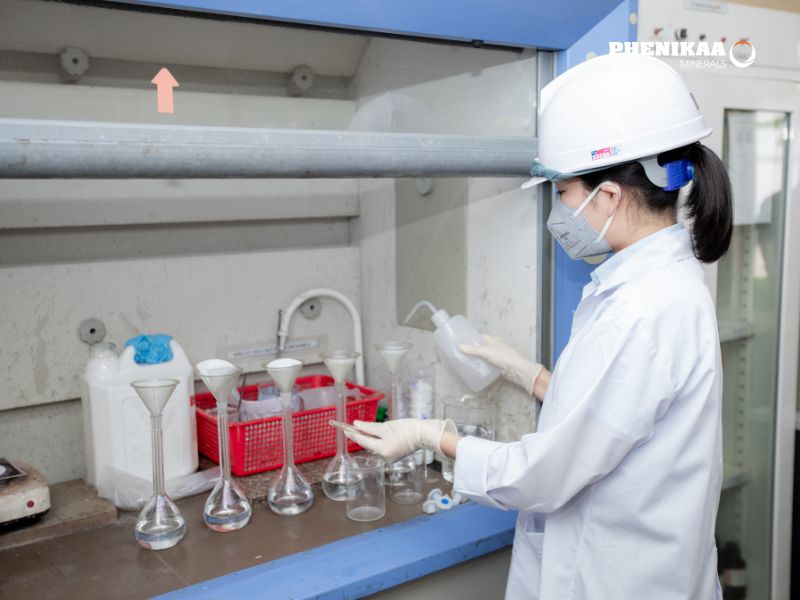
Cristobalite counteracts gypsum's natural shrinkage through its thermal expansion. Without sufficient Cristobalite, the gypsum shrinks severely, weakening the mold and potentially causing metal leakage. An optimal content level (often adjusted based on specific formulas) ensures a strong mold that maintains dimensional accuracy in the jewelry mold.
3. Impact on Mold Strength
By compensating for shrinkage, Cristobalite helps maintain compressive strength at high temperatures, reducing the risk of deformation. In lost-wax casting, this results in sharp, defect-free jewelry products, enhancing overall quality.
In conclusion, higher Cristobalite content increases thermal expansion, compensates for gypsum shrinkage, controls mold dimensions, and enhances strength. Balancing the content is the key to achieving optimal efficiency in jewelry casting.
Conclusion
Cristobalite is truly the "silent hero" in the jewelry mold, especially in the lost-wax casting method. By controlling thermal expansion and shrinkage, Cristobalite ensures mold durability, product accuracy, and high quality. If you are researching or applying this technology, pay close attention to the Cristobalite content to optimize your process. With over 20 years of experience in content creation for manufacturing technology, I highly recommend experimenting with different formulas to achieve the best results.

📞 Hotline: +84 79 660 8686
📧 Email: support.pnkh@phenikaa.com
🌐 Website: www.phenikaahue.com
📱 Facebook: @Phenikaahue.official
💼 LinkedIn: Phenikaa Hue