In the jewelry mold industry, achieving excellence means ensuring precision, durability, and consistency at every stage. From creating wax molds to casting precious metals, the choice of Cristobalite plays a critical role. Using the right type of Cristobalite helps minimize casting defects, improve surface smoothness, and optimize production costs. On the other hand, even minor mistakes in material selection can lead to wasted resources, production delays, and potential loss of brand reputation.
Cristobalite, with its unique crystalline structure, delivers low thermal expansion, high heat resistance, and exceptional smoothness—ensuring sharper, more precise jewelry molds. However, not all Cristobalite produces the same results. After analyzing technical specifications from multiple international suppliers, we confidently affirm that Cristobalite from Phenikaa Huế is the top choice.
Produced on advanced production lines, it undergoes strict quality control aligned with ISO 9001:2015, ISO 14001:2015, ISO 45001:2018, and ISO 14067:2018 standards. Moreover, it is made from 100% pure natural silica, guaranteeing consistent performance, reliability, and superior results for the jewelry casting industry.
1. Key factors to consider when choosing cristobalite for jewelry molds
In the jewelry mold industry, Cristobalite is a high-temperature crystalline form of silica carefully selected to meet the strict requirements of casting precious metals such as gold, silver, and platinum. Choosing the right Cristobalite requires attention to the following factors:
- Purity and crystal morphology
Cristobalite must have high purity and typically a stable tetragonal crystal form. This ensures precise thermal expansion control during burnout, which is critical to compensate for plaster shrinkage, reduce cracks and deformations, and maintain sharp edges with smooth surfaces in finished jewelry. - Blending with plaster and silica
Investment powder formulations generally consist of 25–35% alpha hemihydrate plaster and 65–75% silica powder. Refined Cristobalite is specifically added to premium grades to enhance mold strength and thermal stability. Additives such as superplasticizers and anti-foaming agents are also used to optimize the rheology of the mixture. - Heat resistance and thermal expansion
Cristobalite offers excellent heat resistance (up to 1700°C) with suitable thermal expansion (raising overall expansion above 1%). This helps prevent mold cracking or metal leakage during casting, ensuring reliable performance and superior quality in fine jewelry products.
2. Impact of particle size and purity on jewelry mold casting surface
In jewelry mold casting, the particle size and purity of materials play a critical role in determining the quality of the final surface finish:
- Particle size
Fine particles create smoother mold surfaces, which in turn deliver jewelry castings with higher detail resolution and refined finishes. Smaller grains also increase the mechanical strength of the mold due to higher density and more grain boundaries, improving overall durability. However, extremely fine particles may cause internal stress and surface hardening, making post-casting machining more challenging. Conversely, larger particles make the material easier to shape but often result in rougher surfaces and less precise detailing. - Material purity
High-purity materials ensure uniformity and a flawless casting surface. By minimizing impurities, the risks of surface defects such as sand burns, inclusions, or imperfections are significantly reduced. Purity also influences the thermal expansion behavior of the mold and the crystallization process of molten metal, directly impacting the sharpness, consistency, and stability of the finished jewelry product.
Technical properties of Cristobalite powder - Phenikaa Huế
Note: This Cristobalite quality standard has been effective since January 1, 2023.
To create jewelry castings with smooth surfaces, sharp details, and excellent mechanical strength, it is essential to choose materials with fine, uniform particle size and high purity. These properties help control thermal expansion while minimizing surface defects in jewelry molds.
3. Stability you can trust: cristobalite from Phenikaa Hue
In the jewelry mold industry, inconsistent raw materials can disrupt the entire production line. With Cristobalite from Phenikaa Hue, you no longer need to worry about inconsistent batches. Refined from premium natural silica with up to 98% purity, this material ensures mold stability even under extreme conditions of up to 1,600°C.

A stable, high-quality supply allows you to focus on optimizing production processes and improving final product quality. The result: 20–30% higher productivity, smoother workflows, and reduced risks.
Superior precision: Perfecting every detail
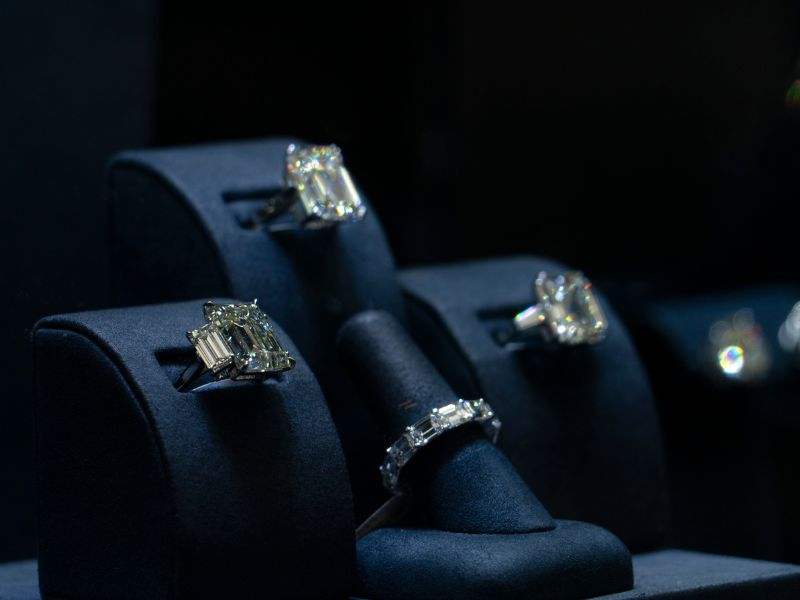
Even the smallest mold defect can turn a diamond ring into scrap. Phenikaa Huế’s Cristobalite features an ultra-low thermal expansion coefficient (<0.1%), ensuring mold accuracy and preventing deformation. This guarantees sharp details for complex patterns like filigree designs or laser engravings, enhancing both product quality and brand reputation.
Backed by international export certifications and free from harmful impurities, Phenikaa Huế Cristobalite meets the strict standards of both European and U.S. markets.
In the highly competitive jewelry mold industry, choosing the right Cristobalite is not just about selecting raw materials—it’s about selecting a trusted partner. Phenikaa Huế provides not only high-quality Cristobalite powder but also comprehensive support, from technical consultation to fast delivery.

Contact us today to receive full technical documentation on Phenikaa Huế Cristobalite and personalized consultation.
📞 Hotline: +84 79 660 8686
📧 Email: support.pnkh@phenikaa.com
🌐 Website: www.phenikaahue.com
📱 Facebook: @Phenikaahue.official
💼 LinkedIn: Phenikaa Hue