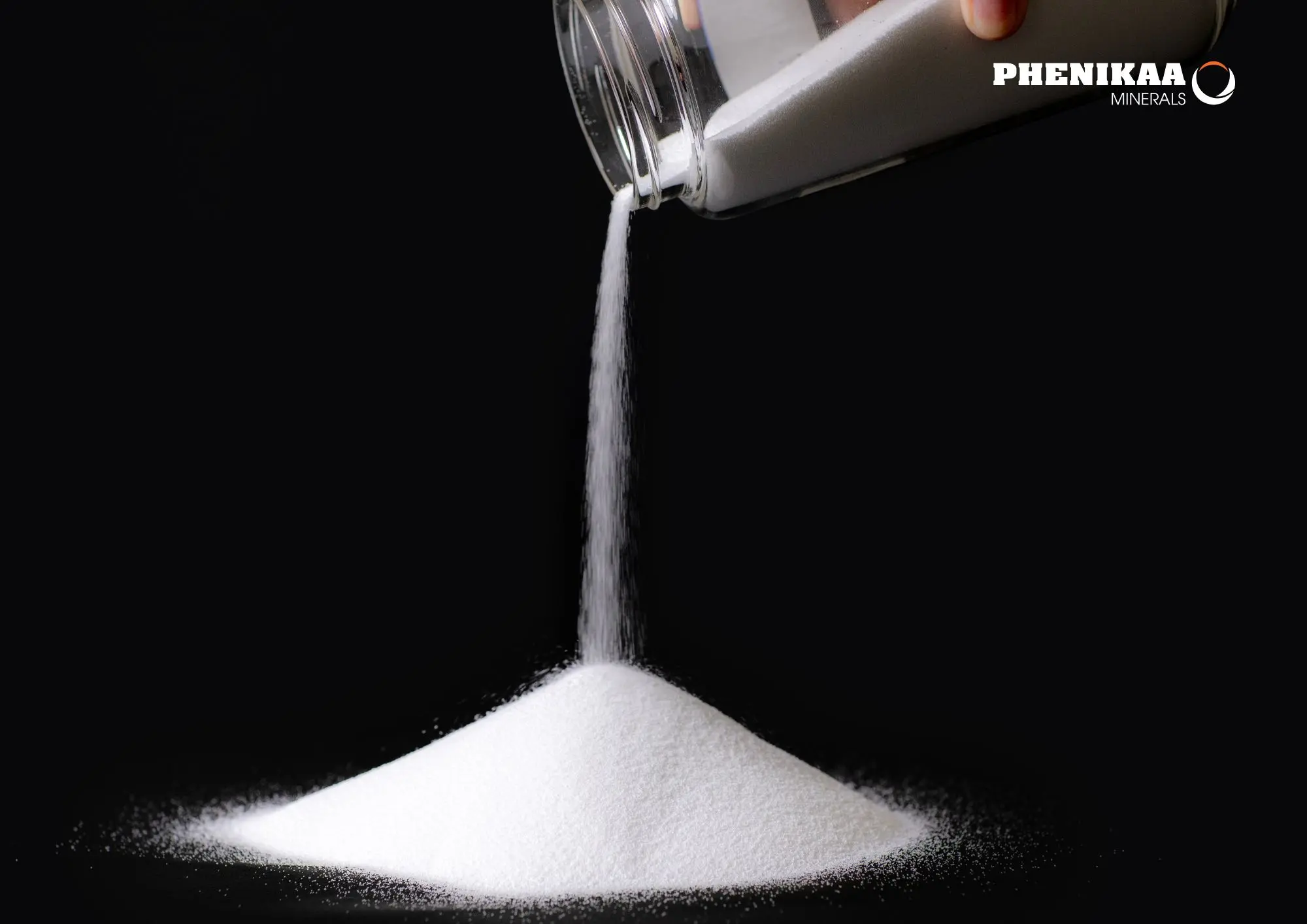
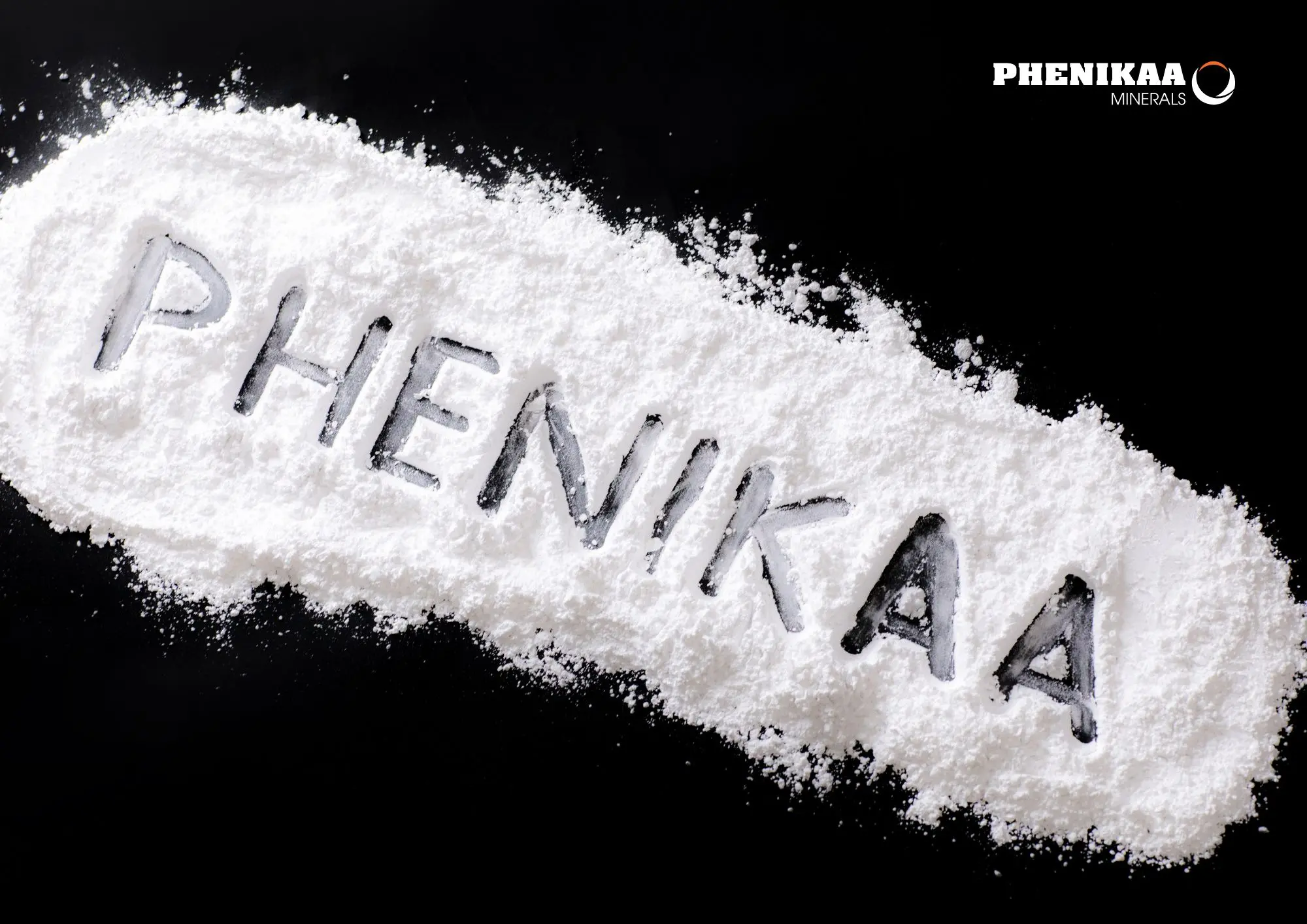
High-whiteness calcined cristobalite silica, in grits and powder.
High-purity Biofrit sand, in grits and powder.
Phenikaa Hue uses necessary mechanisms to operate this website. Optional cookies and third-party content load only with your permission. You can reject them or change your choices through Privacy settings in the footer.
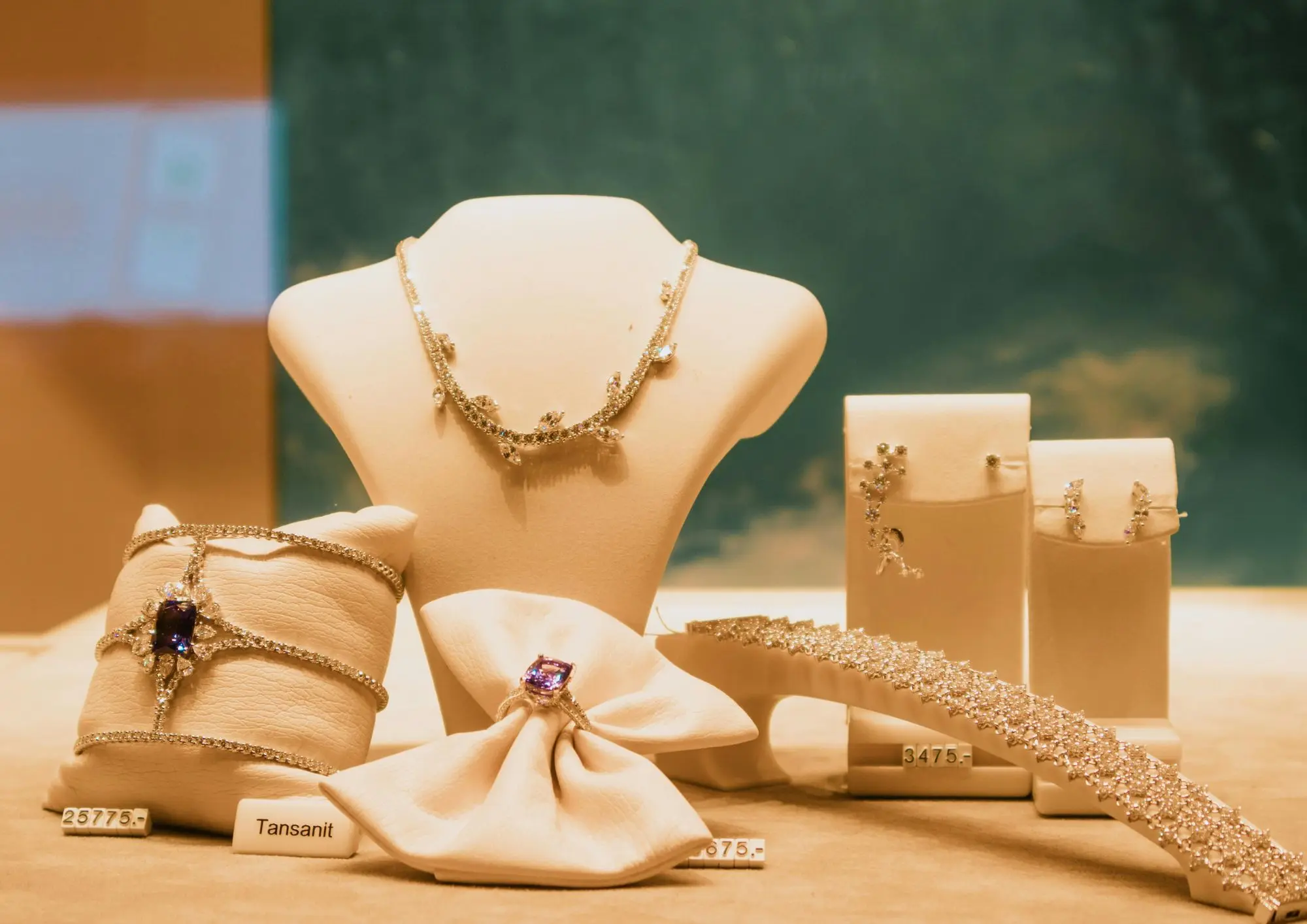
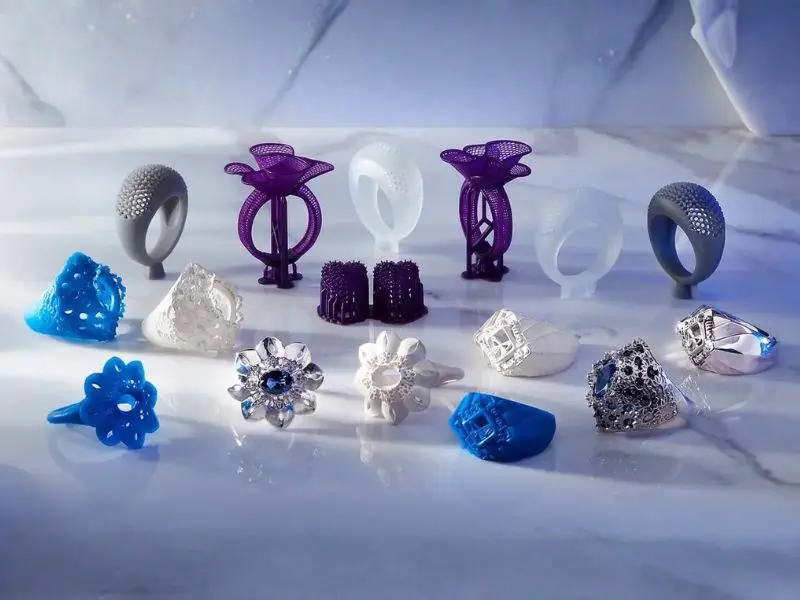
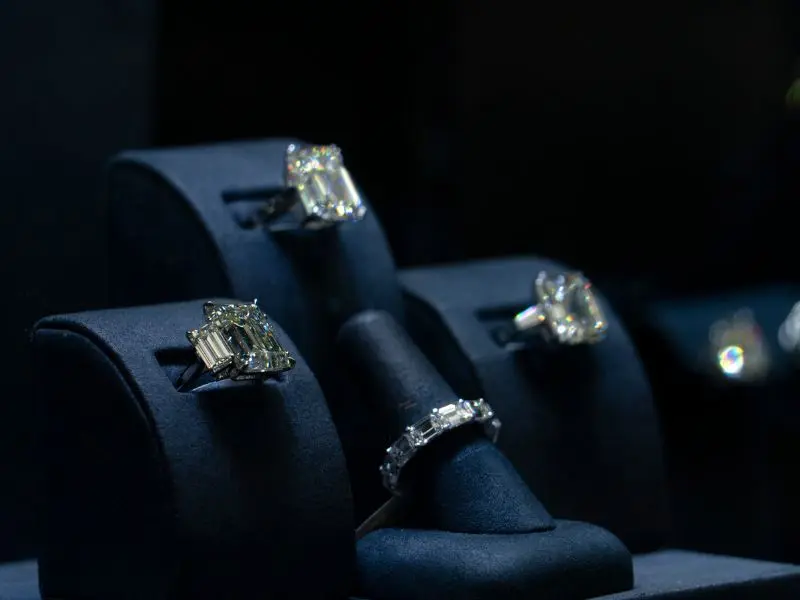
Discover premium jewelry casting molds material and the critical role of Cristobalite in creating high-precision, flawless jewelry masterpieces.
Explore the rapidly changing Cristobalite market driven by demand for high-performance materials. Analysis of Production technology for cristobalite, the role of artificial sand, and industry opportunities and challenges from 2025 to 2034.
Phenikaa Hue – A trusted supplier of high-quality low-iron quartz sand for the engineered stone industry, meeting international standards with Cristobalite and pure Quartz.
Discover the modern Cristobalite production process at Phenikaa Hue – where quality and technology create exceptional value.
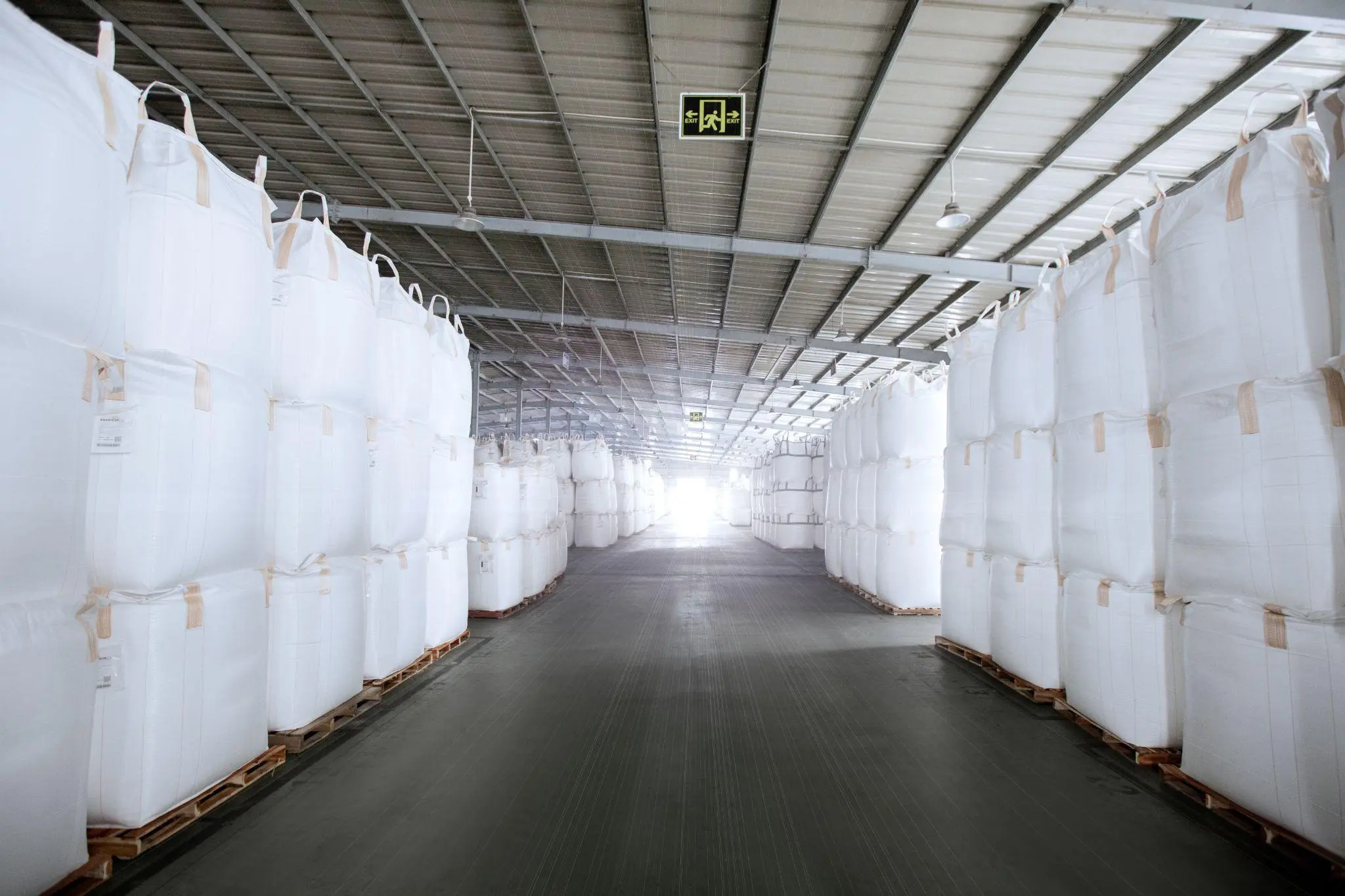
Proper storage of Cristobalite is essential to prevent moisture absorption, maintain the precision and quality of jewelry molds, and minimize production errors for flawless casting results.
Cristobalite significantly improves jewelry mold quality, controlling thermal expansion, shrinkage, increasing strength, and reducing defects in lost-wax casting. Learn more now!
Discover how to choose the right Cristobalite for jewelry molds, ensuring precision, smooth finish, and cost optimization.
Phenikaa Hue is a leading cristobalite supplier offering international-standard quality. We provide optimal material solutions for engineered stone, ceramics, and various industrial applications.
Have you ever wondered what creates the lasting beauty of luxurious kitchen countertops, or the flawless shine of porcelain tiles? The answer lies in quartz – a mineral also known as crystalized silica.
Particle size drives packing density, whiteness and the viscosity of the resin mix in quartz surface slabs.
Cristobalite expands sharply between 220–270 °C, offsetting the shrinkage of gold alloys during casting.